Waardorieel Review 2026: Is It Safe & Worth Your Money?
In-depth Waardorieel review updated for 2026. We tested spreads, key features, supported countries, and safety. Read our full verdict.

In-depth Waardorieel review updated for 2026. We tested spreads, key features, supported countries, and safety. Read our full verdict.
| Min Deposit | $200 |
| Max Leverage | 1:500 |
| Assets | Forex CFDs, Commodities CFDs, Index CFDs, Crypto CFDs, Share CFDs |
| Platforms | Proprietary WebTrader, iOS app, Android app |
Built as an offshore-style CFD venue, Waardorieel suits traders who want multi-asset access with higher leverage, while accepting that investor protections are lighter than under top-tier regulators. In my Waardorieel review testing, I saw two clear pricing lanes (spread-only vs. tighter spreads with commission), plus a usable demo to pressure-test execution before committing real capital. Markets lean practical: majors and popular indices sit alongside gold, oil, and large-cap crypto CFDs. The stack is WebTrader-first with mobile apps; it’s clean, but it doesn’t try to be an MT5 clone. The USP is flexibility (including swap-free positioning for some regions), and the main drawback is the dispute-resolution ceiling that comes with offshore oversight. See the broker here: Waardorieel.
Waardorieel looks operational and tradeable rather than a “vanish-with-your-deposit” setup, but it runs under an offshore registration model that carries a different level of protection than FCA/ASIC-style supervision. I could verify my identity, place trades, and request a withdrawal; that’s a baseline legitimacy signal. The safety caveat is that offshore oversight can make escalations and compensation routes thinner if something goes wrong.
What anchored my view wasn’t marketing copy—it was process. The provider presented Seychelles FSA registration details in the legal pages and pushed me into KYC early (photo ID plus a recent proof of address), which is consistent with AML requirements rather than a “deposit-first, questions-never” shop. Offshore status, though, is a leverage-for-protection swap: you can access up to 1:500, but you typically give up robust compensation schemes and a clear regulator-led dispute ladder. I also scanned for the usual red flags—aggressive “account manager” pressure, suspicious trophies, or withdrawal friction. My test withdrawal request didn’t trigger sales calls or bonus traps, and the site language referenced segregated client funds (good), while also being careful about risk (necessary). Remember: CFDs are leveraged products, and the majority of retail accounts lose money—your capital is at risk.
This broker is generally accessible across parts of MENA, Africa, and several international markets where offshore CFD brokers operate, with eligibility confirmed during signup and KYC. The USA is not supported, and sanctioned jurisdictions are also blocked.
| Region | Status | Leverage Cap |
|---|---|---|
| GCC (selected countries) | Accepted | Up to 1:500 |
| North Africa | Accepted | Up to 1:500 |
| Sub-Saharan Africa (selected) | Accepted | Up to 1:500 |
| Southeast Asia (selected) | Accepted | Up to 1:500 |
| Non-EU Europe (selected) | Accepted | Up to 1:200 |
| USA | Restricted | Not offered |
| Sanctioned jurisdictions | Restricted | Not offered |
Access is enforced through a mix of IP checks and document verification; the platform asked for residency details before funding. Policies can shift quickly in brokerage, so treat eligibility as something to re-check at the point of the Waardorieel login rather than a once-per-year assumption.
From a trader’s seat in Dubai, I care less about “thousands of symbols” and more about whether the staples are there for diversification and hedging—and this service covers the usual global risk dashboard. The lineup is multi-asset, with FX and indices as the daily workhorses and commodities/crypto as tactical overlays.
All exposure here is via CFDs, not spot ownership. That means no shareholder voting rights, no direct crypto transfer on-chain, and “dividends” (if applied) are typically cash adjustments rather than true equity distributions.
Costs on Waardorieel split cleanly by account tier: Standard is spread-only, while a Raw/ECN-style option tightens pricing and adds a per-lot commission. On EUR/USD, I measured pricing from about 1.6 pips on Standard and near 0.2 pips plus commission on the Raw tier—broadly in line with offshore CFD peers. Your real all-in cost will depend on instrument, volatility, and how long you hold positions.
| Asset | Spread/Fee | Market Average Comparison |
|---|---|---|
| EUR/USD (Standard) | From 1.6 pips | Close to the offshore average |
| EUR/USD (Raw/ECN) | From 0.2 pips + $7 round-turn/lot | Competitive for active traders |
| Bitcoin (BTC/USD) | From $35 spread | In the typical CFD range |
| Gold (XAU/USD) | From $0.30 | Reasonable versus peers |
| US500 Index | From 0.8 points | Middle of the pack |
Non-spread costs to watch: Overnight swap/financing is the big one, especially if you hold indices or metals for multiple days; it’s the quiet expense that can chew up a swing trader’s edge. The platform also applies a $10 monthly inactivity fee after 90 days without trading, which matters if you’re the “park it and forget it” type. Depending on your funding currency, conversion charges can appear when you deposit in one denomination and trade in another, and crypto positions can carry weekend financing that feels heavier than weekday rates.
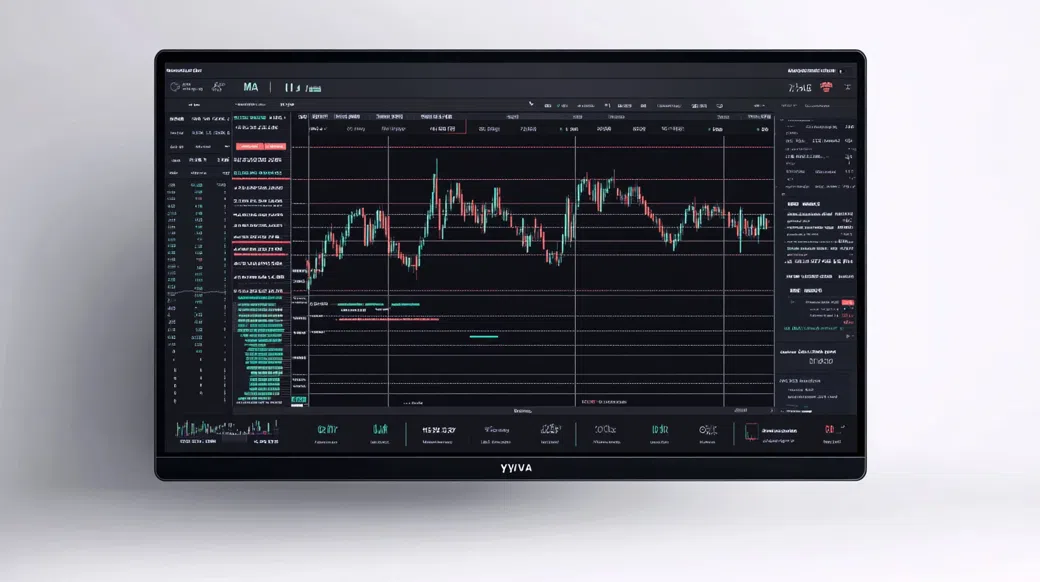
On desktop, the proprietary WebTrader is built for speed over customization. I logged in repeatedly across London morning and the New York overlap and found the session handoff stable; order tickets were uncluttered, with market, limit, and stop orders easy to stage alongside SL/TP. Execution on a small EUR/USD test position during a data-heavy hour showed modest slippage rather than dramatic re-quotes—what you’d expect when liquidity thins around headlines. If you’re coming from the MT4/MT5 ecosystem, you’ll miss the marketplace of plug-ins and custom scripts, but the core workflow is there.
The Waardorieel app mirrors the web layout closely, which helps when you’re managing risk from a phone between meetings. Quotes streamed without noticeable lag on 4G, and I could open, modify, and close positions with one-tap actions plus confirmation prompts (good for reducing fat-finger mistakes). Deposits and withdrawals are accessible inside the app, and biometric unlock is supported on devices that allow it—useful because a weak password habit is still the most common retail “security breach.” For day-to-day use, the mobile flow makes the Waardorieel login feel less like a chore and more like a quick portfolio check.
Charting offers the essentials: multiple timeframes, common indicators (MA, RSI, MACD, Bollinger), and basic drawing tools for levels and channels. An integrated economic calendar and news feed cover the macro pulse, though depth is lighter than specialist platforms like MT5 plus third-party research. Alerts and watchlists are present and practical; still, systematic traders who rely on advanced backtesting will find the ceiling sooner than discretionary traders.
After entering email, phone, and country of residence, the signup path moved straight into profile details and a short suitability/risk set—more than a token checkbox, less than a bank-grade questionnaire. For KYC, I uploaded a passport scan and a utility bill dated within three months; verification landed the same business day, and funding limits opened immediately after approval. That sequence tells me the broker is at least attempting to follow AML norms rather than postponing checks until a problem appears.
One practical note from the funding screen: account currency choices matter, because conversion costs show up quietly over time. If you want to see the exact rails available in your country before committing, open the cashier view on Waardorieel and check which options appear after you set residency.
I tested support like I’d test a counterparty: with a specific, slightly annoying question. On live chat, I asked how swap/overnight fees are displayed for gold and whether swap-free status changes the spread; the agent answered in roughly three minutes with where to find the rates inside the instrument details and clarified that swap-free eligibility is region/account dependent. I followed up by email requesting a written outline of withdrawal processing steps, and a ticket reply arrived in about eight hours with a clear checklist (KYC, method matching, internal review window).
Coverage ran on a 24/5 rhythm, which is standard in this segment; weekends were quieter, especially for non-urgent issues. Language support felt geared toward international clients (English was fine), while phone availability looked limited and somewhat region-specific. In short: good enough for operational questions, but don’t expect a dedicated dealer desk like you’d get at an institutional prime broker.
If you’re considering this broker, start by checking the live spread board during your usual trading session and confirm your country’s funding/withdrawal rails before you scale size. A demo pass is also a sensible way to see how margin and slippage behave on your preferred instruments.
Visit WaardorieelYes, for basics—mainly because the WebTrader and mobile interface stay uncluttered and the $10,000 demo helps you practice without pressure. That said, leverage up to 1:500 can punish beginners fast, so position sizing matters more than platform features. If you’re new, keep it small and treat CFDs as a high-risk product.
Yes, the platform offers crypto CFDs such as BTC/USD and ETH/USD. You’re trading price exposure, not receiving coins to a wallet, and financing can apply over weekends. For many traders, crypto CFDs are best used tactically rather than as long-term holdings.
No, it didn’t behave like a scam in my 2026 test: KYC was enforced, trading worked as expected, and a withdrawal request followed the stated processing steps. The more relevant question is protection level—this is an offshore-regulated setup (Seychelles FSA), so you don’t get the same safeguards as a top-tier jurisdiction. Manage risk accordingly and avoid over-leveraging.
No, Waardorieel is not available to U.S. residents. During signup, residency and document checks are used to enforce restrictions. If you live in the United States, you’ll need a U.S.-compliant broker instead.
A Waardorieel withdrawal is typically processed internally within 24–48 hours once KYC is complete. After that, delivery depends on the rail: cards often take 2–5 business days, bank wires 3–7 business days, while crypto payouts can arrive the same day. Method matching (withdrawing back to the deposit source) can also affect timing.
The Waardorieel minimum deposit is $200. That threshold is enough to open and test positions, but it doesn’t mean you should use maximum leverage—margin calls come quickly when volatility spikes. If you’re starting out, focus on risk-per-trade rather than account size.
Yes, Waardorieel has mobile apps for iOS and Android. You can manage positions, view charts, and access funding/withdrawal menus from the app. Biometric unlock is available on supported devices, which adds a practical security layer for everyday use.
Overall Score: 4.0/5
From a trader’s perspective, the appeal here is simple: one account, multiple CFD markets, and pricing that becomes meaningfully sharper if you qualify yourself into the Raw/ECN lane. Waardorieel won points with a clean onboarding flow, consistent WebTrader/mobile experience, and a withdrawal path that followed stated timelines in my test. The compromise is structural—offshore regulation isn’t the same as Tier-1 supervision, so you should treat it as a tactical brokerage choice, not a vault. If you proceed, start small and verify costs on your instruments directly on Waardorieel.
Best for: Active traders in accepted regions who want FX/indices/commodities diversification with up to 1:500 leverage. Avoid if: You require Tier-1 regulatory protections, guaranteed compensation schemes, or U.S. availability.