Vrij Kapithof Review 2026: Is It Safe & Worth Your Money?
In-depth Vrij Kapithof review updated for 2026. We tested spreads, key features, supported countries, and safety. Read our full verdict.

In-depth Vrij Kapithof review updated for 2026. We tested spreads, key features, supported countries, and safety. Read our full verdict.
| Min Deposit | $200 |
| Max Leverage | 1:500 |
| Assets | Forex, Indices, Commodities, Crypto CFDs, Share CFDs |
| Platforms | Proprietary WebTrader + iOS/Android mobile apps |
Built like a lean CFD venue, Vrij Kapithof suits traders who want multi-asset exposure with high leverage—yet the headline compromise is an offshore framework with fewer formal backstops than top-tier regulators. I tested two account tiers (spread-only and a tighter-spread “Raw/ECN” style) and found the pricing structure easy to map to trade frequency. Coverage leans practical: majors in FX, the key index CFDs, metals and energy, plus large-cap crypto. The stack is a WebTrader paired with a mobile app, not an MT4/MT5-first ecosystem. A clear plus is flexible funding (including crypto), while the main drawback is that investor protection and dispute escalation are typically thinner in this jurisdiction—read the fine print on fees and safeguards at Vrij Kapithof.
Vrij Kapithof appears operational and tradeable rather than a “vanishing act” scam, based on my ability to complete KYC, place trades, and receive a withdrawal. The safety caveat is real: it runs under an offshore registration model, so protections can be lighter than Tier‑1 jurisdictions.
My first trust check was paperwork friction: the provider enforced KYC/AML before I could lift withdrawal limits, requesting a government ID and a recent proof of address, and it rejected an older utility bill on the first upload. The registration footprint I saw pointed to Mauritius FSC oversight/registration language, which in practice often brings higher leverage allowances and faster product rollouts—but also weaker compensation arrangements and fewer clear escalation routes if a dispute turns ugly. I scanned for the usual red flags (pressure calls, “guaranteed profit” language, flashy award badges with no traceable issuer) and didn’t run into hard-sell tactics during the test window. The broker’s site also referenced segregated client funds, which is encouraging, though enforcement standards vary offshore. Finally, remember what you’re trading: CFDs are leveraged products; margin calls arrive fast, and most retail accounts lose money—only risk capital you can afford to lose.
Availability is broad across MENA, parts of Africa, and several international markets, with onboarding gated by KYC checks. The USA and sanctioned jurisdictions are blocked.
| Region | Status | Leverage Cap |
|---|---|---|
| GCC (UAE, Saudi Arabia, Kuwait) | Accepted | Up to 1:500 |
| North Africa (Egypt, Morocco, Tunisia) | Accepted | Up to 1:500 |
| Sub-Saharan Africa (Kenya, Nigeria, Ghana) | Accepted | Up to 1:500 |
| Southeast Asia (Malaysia, Thailand, Vietnam) | Accepted | Up to 1:500 |
| Europe (non‑EU / non‑UK where permitted) | Accepted | Up to 1:200 |
| USA | Restricted | Not offered |
| Sanctioned jurisdictions | Restricted | Not offered |
In my sign-up flow, eligibility was enforced via residency/KYC prompts rather than marketing copy—expect document checks to decide the final outcome. Policies can shift with compliance updates, so re-check access if you relocate or hold dual residency.
The lineup is multi-asset in a trader’s sense: enough variety to diversify risk across uncorrelated themes, without pretending to be an exchange or prime broker. From Dubai to Lagos, that’s the practical sweet spot—one wallet, several macro expressions.
All exposure here is via CFD contracts, so you’re trading price movement rather than taking delivery of assets. That means no on-chain withdrawals for crypto and no “true” equity ownership—dividend effects, where applied, are typically handled as cash adjustments.
Vrij Kapithof fees follow a two-lane model: a Standard account with spread-only pricing, and a Raw/ECN-style option pairing tighter spreads with a per-lot commission. On balance, the totals land in the middle of the offshore CFD pack—competitive for active traders on the Raw tier, merely acceptable on Standard.
| Asset | Spread/Fee | Market Average Comparison |
|---|---|---|
| EUR/USD (Standard) | From 1.6 pips | Roughly in line |
| EUR/USD (Raw/ECN) | From 0.2 pips + $7 round-turn/lot | Often better for high-frequency |
| Bitcoin (BTC/USD) | From 0.35% | In line for CFD crypto |
| Gold (XAU/USD) | From $0.25 | Slightly better than average |
| US500 Index | From 0.8 points | Competitive |
Non-spread costs that matter: Overnight swap/financing is the real “quiet expense” if you hold positions beyond the session, and weekend financing can bite hardest on crypto CFDs. I also noted a $10/month inactivity fee after 90 days without trading, which is small until it isn’t—especially for investors who park accounts. On withdrawals, the broker processed my request without an internal charge, but payment rails (bank wires, card networks, crypto network fees) can still create friction, and FX conversion costs apply if you fund in one currency and trade P&L in another.
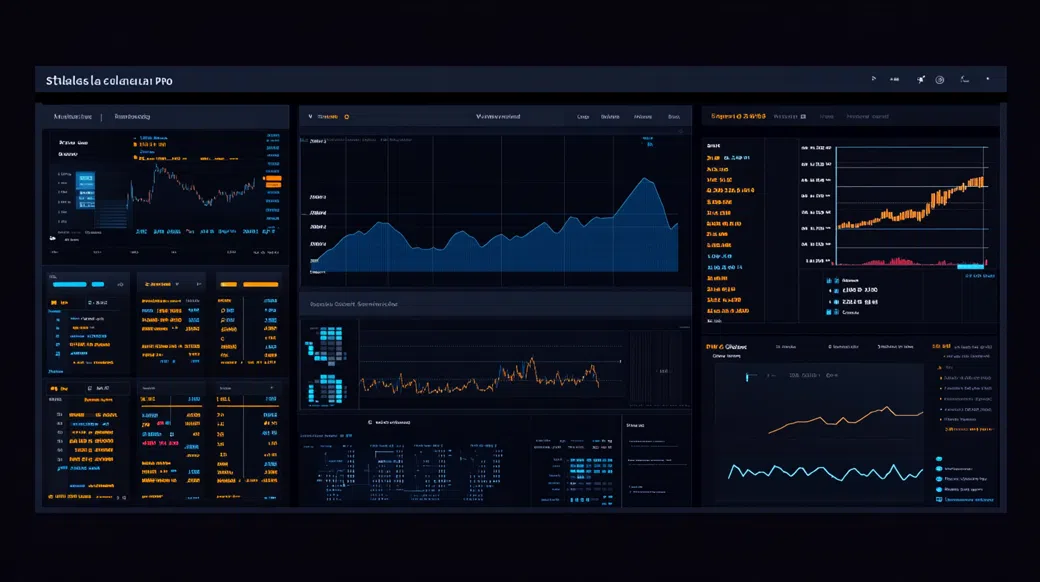
On desktop, the WebTrader behaved like a modern, lightweight dealing terminal: stable session handling, quick symbol search, and enough order controls to manage risk (market, limit, stop, plus basic stop-loss/take-profit). I specifically watched execution around the NY open on XAU/USD and US500; fills were consistent with the quoted spread, with a small amount of slippage when volatility picked up—nothing that screamed manipulation, but it’s a reminder that CFD execution speed depends on liquidity and your order type. Traders married to the MT4/MT5 plugin universe will notice the gap: fewer third-party tools and less automation flexibility.
The Vrij Kapithof app is built for monitoring and rapid position management: real-time quotes, clean ticket layout, and one-tap partial/total closes. The Vrij Kapithof login supported biometric unlock on my device, which matters when you’re managing leveraged exposure on the move. Deposits and withdrawals are accessible inside the app, and push alerts can be set for price levels—handy during fast markets. My only gripe: indicator layout on smaller screens can feel cramped once you stack multiple overlays.
Charting covers the essentials—multiple timeframes, the common indicators (RSI, MACD, moving averages, Bollinger bands), and drawing tools for levels and trendlines. An economic calendar and integrated news feed help with macro timing, but the research ceiling is lower than what you’d expect from a dedicated MT5/cTrader setup with third-party analytics. Watchlists and alerts are implemented well enough for routine workflows.
After entering basic details (email, phone, country, and a short suitability prompt), I moved straight to identity verification—uploading a passport scan plus a bank statement dated within three months. Verification cleared the same business day, and the dashboard clearly separated “profile completed” from “trading enabled,” which reduces guesswork. In this Vrij Kapithof broker review 2026, the onboarding felt designed for compliance first, speed second—exactly what you want if withdrawals are part of the plan.
One practical note from the deposit step: the portal displayed the credited amount and reference ID immediately after authorization, which made reconciliation easy. If you’re funding in AED, SAR, or another regional currency, keep an eye on conversion rates—small differences add up over time, especially for frequent deposits.
I tested live chat with a pointed question about swap rates on XAU/USD and whether the Raw/ECN commission is charged per side or round-turn. A human agent replied in about three minutes and gave a clear answer on the commission structure, then followed up with where to find daily financing in the platform menu. For a second pass, I emailed support asking what to expect on a card payout timeline; the ticket response landed roughly nine hours later with method-by-method ranges and a reminder that KYC must be approved before processing.
Coverage is broadly 24/5, which matches the FX week, and language support felt geared toward international clients rather than a single home market. Phone support wasn’t pushed aggressively; the service leans on chat and email, and weekends are quieter outside crypto trading hours. Relative to peers in the same offshore bracket, it’s competent—just don’t expect white-glove dealing-desk access.
If you’re considering opening an account, start by checking the current spreads on your usual instruments and confirming your country’s eligibility. I’d also suggest running the demo first to get comfortable with margin and order types before risking live capital.
Visit Vrij KapithofYes, it can work for beginners if they keep position sizes small and use the demo first. The interface is not overly technical, but leverage up to 1:500 can amplify mistakes quickly. New traders should focus on risk controls (stop-loss, margin monitoring) before chasing returns.
Yes, crypto trading is available via crypto CFDs such as BTC/USD and ETH-based pairs. You’re speculating on price, not transferring coins to a wallet. Expect wider effective costs during volatile periods and added weekend financing considerations.
No, it didn’t present like a Vrij Kapithof scam in my testing: KYC was enforced, trades executed, and a withdrawal was processed. The more nuanced point is regulatory strength—this is an offshore-style setup, so protections may be lighter than FCA/ASIC-type regimes. Treat it as a higher-risk brokerage category and size exposure accordingly.
No, Vrij Kapithof is not offered to US residents. During registration, the country selection and compliance screening are designed to block restricted jurisdictions. If you have US tax residency, expect additional limitations.
A Vrij Kapithof withdrawal typically clears internal processing within 24–48 hours once KYC is approved. After that, timing depends on the rail: cards often take 2–5 business days, bank wires 3–7 business days, and crypto is usually same-day. Delays are more common when documents need re-submission or when banks add compliance checks.
The Vrij Kapithof minimum deposit is $200 for the funding methods I tested. That level is manageable for a small starter account, but it’s still enough to create oversized risk if you crank leverage. If you’re new to CFDs, deposit less than you can afford to lose—then trade smaller.
Yes, a Vrij Kapithof app is available for iOS and Android. You can monitor charts, place and manage orders, and handle deposits/withdrawals from the mobile interface. Biometric login support makes quick account access more practical when markets move fast.
Overall Score: 4.0/5
For traders who think in portfolios—FX for carry and hedges, indices for beta, gold for stress, and crypto for tactical volatility—Vrij Kapithof offers a usable toolbox without feeling cluttered. Execution on my test orders held up during active sessions, and the tiered pricing (especially the Raw/ECN structure) can make sense once you trade more than occasional micro-lots. The counterweight is jurisdiction: offshore registration shifts more responsibility onto you, from due diligence to risk limits. Remember, CFDs are leveraged and losses can exceed expectations if you ignore margin discipline. If you’re comfortable with that reality, you can assess the current conditions at Vrij Kapithof.
Best for: Active multi-asset CFD traders in MENA/Africa who want high leverage and a WebTrader + mobile workflow. Avoid if: You require Tier‑1 regulatory protections, deep institutional-grade research, or a confirmed MT4/MT5 ecosystem.