Vague Patrimoire Review 2026: Is It Safe & Worth Your Money?
In-depth Vague Patrimoire review updated for 2026. We tested spreads, key features, supported countries, and safety. Read our full verdict.

In-depth Vague Patrimoire review updated for 2026. We tested spreads, key features, supported countries, and safety. Read our full verdict.
| Min Deposit | $200 |
| Max Leverage | 1:500 |
| Assets | Forex, Indices, Commodities, Crypto CFDs, Share CFDs |
| Platforms | Proprietary WebTrader + iOS/Android apps |
Built as an offshore-style CFD venue, Vague Patrimoire suits traders who want broad market access and flexible leverage, with the clear trade-off being lighter investor protections than top-tier jurisdictions. In my 2026 hands-on run-through on Vague Patrimoire, the account menu was split into a spread-only Standard tier and a tighter-spread Raw/ECN-style tier aimed at higher-frequency flow. Market coverage leaned multi-asset (FX and indices first, then metals, oil, and crypto CFDs), all delivered through a proprietary WebTrader plus mobile apps. The sharpest upside is account choice and instrument variety in one login. The main drawback is the offshore registration model and a research/education stack that won’t satisfy a desk analyst.
Vague Patrimoire appears operational and tradeable rather than an outright “vanish-with-your-deposit” setup, but it runs under an offshore structure where protections are thinner. In practical terms: I could verify, fund, trade, and request a withdrawal—yet you should treat it as higher-counterparty-risk than a Tier-1 regulated broker.
Regulatory framing matters, and this provider presented itself as operating under the Mauritius FSC umbrella (an offshore-style regime compared with UK/EU standards). What that means on the ground is simple: higher leverage is available, but you generally won’t have the same compensation schemes or easy escalation routes if a dispute turns ugly. I ran a quick red-flag scan while testing—no aggressive “account manager” pressure, no weird trophy-badge marketing, and the withdrawal workflow was not obstructed once KYC was completed. On the safeguards side, the platform enforced AML steps (ID + proof of address) and referenced segregated client funds in its legal pages, which is a baseline comfort rather than a guarantee. Remember: CFDs are leveraged products; margin calls happen fast, and most retail accounts lose money when risk controls are loose.
The broker primarily onboards clients across MENA, parts of Africa, and selected international markets, while the USA and sanctioned jurisdictions are blocked. Availability can also vary by local rules around CFDs and leverage.
| Region | Status | Leverage Cap |
|---|---|---|
| GCC & wider MENA (selected) | Accepted | Up to 1:500 |
| Sub-Saharan Africa (selected) | Accepted | Up to 1:500 |
| Latin America (selected) | Accepted | Up to 1:500 |
| Asia (selected) | Accepted | Up to 1:500 |
| USA | Restricted | Not offered |
| Sanctioned jurisdictions | Restricted | Not offered |
In my signup flow, eligibility was checked through residence declarations and then effectively confirmed at KYC, so “try your luck” isn’t a strategy here. IP checks and document review can override what a user selects, and country rules can change without much notice.
From a trader’s perspective, this platform is built for multi-asset CFD rotation—useful if you like switching from FX momentum to index volatility, then hedging with metals when headlines hit. Depth is adequate for most retail playbooks, though it’s not trying to be an institutional venue.
All of this is CFD exposure, not spot ownership—so you don’t get shareholder voting rights, and you’re not taking coins on-chain. Any “dividend” effect on share CFDs is typically handled as an account adjustment rather than true dividend receipt.
Vague Patrimoire fees are structured around two tracks: a spread-only Standard account and a Raw/ECN-style account where the spread tightens and a commission is charged per lot. On balance, total trading costs sit in the normal range for offshore CFD brokers—competitive on majors, less forgiving on crypto and some indices during thin liquidity.
| Asset | Spread/Fee | Market Average Comparison |
|---|---|---|
| EUR/USD (Standard) | From 1.6 pips | In line |
| EUR/USD (Raw/ECN) | From 0.2 pips + $7 round-turn/lot | Competitive for active traders |
| Bitcoin (BTC/USD) | From 0.45% | Slightly higher on weekends |
| Gold (XAU/USD) | From $0.25 | Competitive |
| US500 Index | From 0.9 points | In line |
Non-spread costs that mattered in my ledger:
Overnight swap/financing is the silent drag if you hold positions past rollover, and it’s especially noticeable on indices and leveraged metals. Dormant accounts are not ignored either—I saw an inactivity charge of $10 per month kicking in after 90 days without trading. Withdrawals themselves didn’t show an internal “platform fee” on my side, but your payment rail can add charges (bank wires and FX conversion are the usual culprits), and crypto CFDs can carry heavier weekend financing effects than weekday flows.
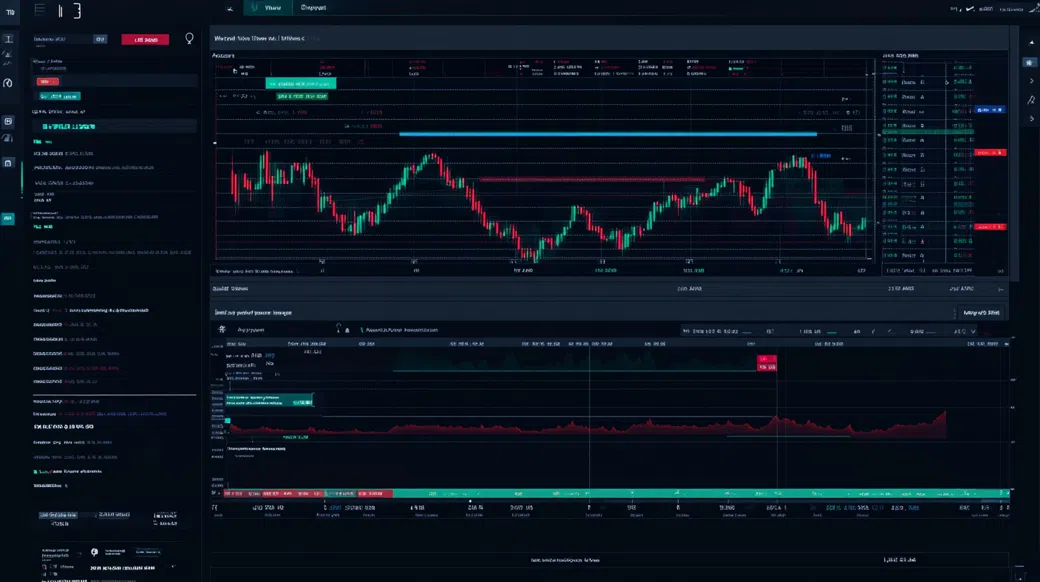
On desktop, the proprietary WebTrader loaded reliably across multiple sessions, and order controls were where a trader expects them: market, limit, stop, plus stop-loss and take-profit toggles directly on the ticket. I tested a small EUR/USD position around the London open and saw fills post quickly, with a touch of slippage when liquidity thinned during a data release—nothing dramatic, but enough to remind you this is CFD execution, not an exchange. If you live inside MT4/MT5 ecosystems (EAs, custom scripts, deep community tooling), the absence of a confirmed MetaTrader option is the biggest functional gap.
The Vague Patrimoire app mirrored the web layout closely: real-time quotes, watchlists, and one-tap position management for partial closes and quick risk edits. The Vague Patrimoire login held steady on mobile during my testing, and biometric unlock was available on my device for faster re-entry. Deposits and withdrawal requests can be initiated in-app, which is practical if you manage exposure while traveling. My one gripe: chart space is tight in portrait mode, so deeper analysis is better done on a larger screen.
Charting is serviceable: multiple timeframes, the core indicator set (MA, RSI, MACD, Bollinger), drawing tools, and price alerts that cover most retail decision-making. An economic calendar and a basic news feed were integrated, useful for avoiding headline landmines around CPI/FOMC-type releases. Still, research depth stops short of what you’d expect from MT5 add-ons or a dedicated analytics suite, so serious macro work will come from your own sources.
Instead of drowning me in forms, the signup asked for the essentials (email, country, phone, base currency) and then pushed straight into identity checks. KYC required a government photo ID plus proof of address dated within three months; my verification cleared later the same business day after a quick selfie step. The first funding screen was clearly labeled by method and currency, which reduced the usual “wrong rail” mistakes. For anyone searching the Vague Patrimoire minimum deposit, the live cashier showed $200 as the entry point on my account.
One practical note from the Dubai-to-Africa corridor: if you fund in a currency that doesn’t match your account base, conversion costs can quietly stack up over time. I also prefer completing KYC before requesting any payout—here, the broker effectively expects that discipline, because withdrawal screens are tighter once compliance flags are raised.
I stress-tested support with a real trader’s question: how swaps are calculated on XAU/USD and whether the Raw/ECN tier changes financing. Live chat picked up in about three minutes and gave a clear explanation of rollover timing plus where to find the daily rates inside the platform; the agent didn’t try to upsell me into a larger deposit. I then sent a follow-up by email asking about card vs. crypto withdrawal timelines, and the ticket reply landed the same afternoon—around eight hours later—with method-by-method expectations.
Coverage ran on a 24/5 rhythm, which fits FX and index traders but leaves weekend crypto questions to a slower queue. Language support looked region-dependent (English was solid; Arabic availability was not guaranteed every hour), and phone lines were not prominently pushed. Against peers in the same offshore bracket, that’s acceptable—just don’t expect concierge-style dealing desk access.
If you’re considering opening an account, start by checking whether your country is accepted and whether the Standard or Raw/ECN pricing fits your trading frequency. I’d also recommend running the demo first to see spreads during your preferred session and to confirm the platform workflow before committing funds.
Visit Vague PatrimoireYes, it can work for beginners if you stay disciplined on leverage and position sizing. The WebTrader is uncluttered, and the demo account helps you practice order types and risk controls. The offshore setup also means you need to be extra serious about risk management and withdrawal habits.
Yes, crypto trading is offered via crypto CFDs such as BTC/USD and ETH/USD. That gives you price exposure without owning coins on-chain. Keep an eye on weekend conditions, where spreads and financing can feel heavier than weekday sessions.
No, based on my 2026 test it behaved like a functioning CFD broker: KYC was enforced, trades executed, and the withdrawal process was available after verification. The more accurate caution is that it’s offshore, so your protection and complaint pathways are not the same as with Tier-1 regulators. Treat it as higher risk than a heavily regulated venue.
No, the USA is restricted and accounts are not offered to US residents. This is consistent with many international CFD providers due to local regulatory rules. If you’re traveling, residency and KYC documents still control eligibility.
Typically, withdrawals are processed internally within 24–48 hours after KYC is complete. After that, delivery depends on the rail: cards often take 2–5 business days, bank wires 3–7 business days, and crypto can arrive the same day. Your bank or wallet provider may add its own delays.
The Vague Patrimoire minimum deposit is $200 on the standard onboarding flow I used. Some payment methods may effectively require a bit more due to network fees or minimum card thresholds. If you’re testing the waters, consider starting with the demo first and then funding the smallest workable amount.
Yes, a mobile app is available for iOS and Android alongside the WebTrader. You can monitor quotes, place and manage orders, and handle deposits and withdrawals from the app. For detailed chart work, the desktop view still feels more comfortable.
Overall Score: 4.0/5
If your priority is diversifying across FX, indices, metals, and crypto CFDs under one roof, Vague Patrimoire delivers a practical toolkit with sensible tiered pricing and a usable WebTrader/mobile combo. My funding, trading, and cash-out checks were coherent end-to-end, and support answered trading-cost questions without theatrics. The ceiling is the offshore reality: fewer formal protections, plus costs like swaps and inactivity fees can compound if you’re not actively managing. As always with CFDs, leverage cuts both ways—risk capital you can’t afford to lose. For the full platform path, I’d start small and verify withdrawals early via Vague Patrimoire.
Best for: MENA/Africa-based traders who want multi-asset CFDs, flexible leverage up to 1:500, and a choice between Standard and Raw/ECN pricing. Avoid if: you need Tier-1 regulation, MT4/MT5 ecosystems, or you’re prone to overleveraging and holding positions without a swap plan.