Troefbaat Review 2026: Is It Safe & Worth Your Money?
In-depth Troefbaat review updated for 2026. We tested spreads, key features, supported countries, and safety. Read our full verdict.

In-depth Troefbaat review updated for 2026. We tested spreads, key features, supported countries, and safety. Read our full verdict.
| Min Deposit | $200 |
| Max Leverage | 1:500 |
| Assets | Forex, Commodities, Indices, Crypto CFDs, Share CFDs |
| Platforms | Proprietary WebTrader, iOS app, Android app |
If you want a lean, multi-asset CFD setup with punchy leverage and a simple platform stack, Troefbaat fits best for active traders who can live with an offshore framework as the price of flexibility. I ran a small test account end-to-end—signup, KYC, a few trades, then a withdrawal—to see where the friction hides. Standard and Raw-style pricing sit side by side, which matters if you scalp majors versus swing trade gold. Coverage leans practical: FX, indices, metals, energy, plus crypto CFDs for opportunistic volatility. The standout is a clean WebTrader and usable mobile flow; the main drawback is that investor protections are thinner than at top-tier regulated firms. See the latest offer page at Troefbaat.
Troefbaat appeared operational and trade-capable in my 2026 test, and I was able to deposit, trade, and withdraw—so it didn’t behave like a “Troefbaat scam” site. The safety caveat is structural: it runs under an offshore registration model, so protections can be lighter than what you’d expect from FCA/ASIC-style oversight.
The provider presented itself as registered via the Mauritius FSC, a jurisdiction you’ll often see used by international CFD brokers targeting cross-border clients. In practice, that usually means higher leverage (here up to 1:500) and faster onboarding, but fewer formal compensation schemes and a tougher path if a dispute turns legal. I scanned for obvious red flags—hard-sell “account managers,” fake-looking awards, or pressure to upsize deposits—and didn’t encounter aggressive chasing during my test window. KYC was not optional: the dashboard prompted ID plus proof of address before withdrawals, and the wording referenced segregated client funds (good to see, though it’s still worth reading the legal documents carefully). Remember: CFDs are leveraged products; losses can exceed expectations quickly, and most retail traders lose money—only risk capital.
This broker is geared toward clients across MENA, parts of Africa, and selected international markets, with availability determined during onboarding checks. The USA is blocked, and sanctioned jurisdictions are typically excluded.
| Region | Status | Leverage Cap |
|---|---|---|
| GCC / MENA (selected) | Accepted | Up to 1:500 |
| Sub-Saharan Africa (selected) | Accepted | Up to 1:500 |
| Southeast Asia (selected) | Accepted | Up to 1:500 |
| Non-EU Europe (selected) | Accepted | Up to 1:200 |
| USA | Restricted | Not offered |
| Sanctioned jurisdictions | Restricted | Not offered |
Eligibility isn’t just a dropdown choice—IP/location signals and KYC documents can trigger additional screening. Policies also shift with compliance updates, so it’s smart to re-check supported countries before funding.
Diversification is the only free lunch I’ve seen in markets, and this platform’s lineup is built for that: FX for daily liquidity, indices for macro expression, and commodities/crypto CFDs when volatility returns. The menu is not endless, but it covers the instruments most traders actually use.
All of this is CFD exposure: you’re trading price movement with leverage rather than owning the underlying asset. That means no shareholder rights, and crypto positions are not on-chain holdings in a personal wallet.
Troefbaat fees follow a two-tier structure: a Standard account that builds cost into the spread, and a Raw/ECN-style option where spreads tighten and a per-lot commission is charged. On my test, the “all-in” cost for liquid FX sat broadly in line with offshore CFD peers, with the Raw setup suiting frequent traders more than occasional investors.
| Asset | Spread/Fee | Market Average Comparison |
|---|---|---|
| EUR/USD (Standard) | From 1.6 pips | About average for offshore CFD accounts |
| EUR/USD (Raw/ECN) | From 0.2 pips + $7 round-turn/lot | Competitive for active trading if volume is consistent |
| Bitcoin (BTC/USD) | From 0.35% | Typical versus CFD crypto pricing; watch weekend financing |
| Gold (XAU/USD) | From 25–35 cents | Middle of the pack for retail CFD gold |
| US500 Index | From 0.9 points | Reasonable for a non-exchange CFD quote |
Non-spread costs that matter: Overnight swap/financing is the quiet expense that builds up on multi-day positions, especially on indices and leveraged FX. I also noted an inactivity charge of $10 per month after 90 days without trading, which can punish “set-and-forget” accounts. Withdrawals may come with third-party banking or network costs (wire fees or crypto network fees), and if you fund in one currency and trade in another, conversion spreads can widen your real cost base.
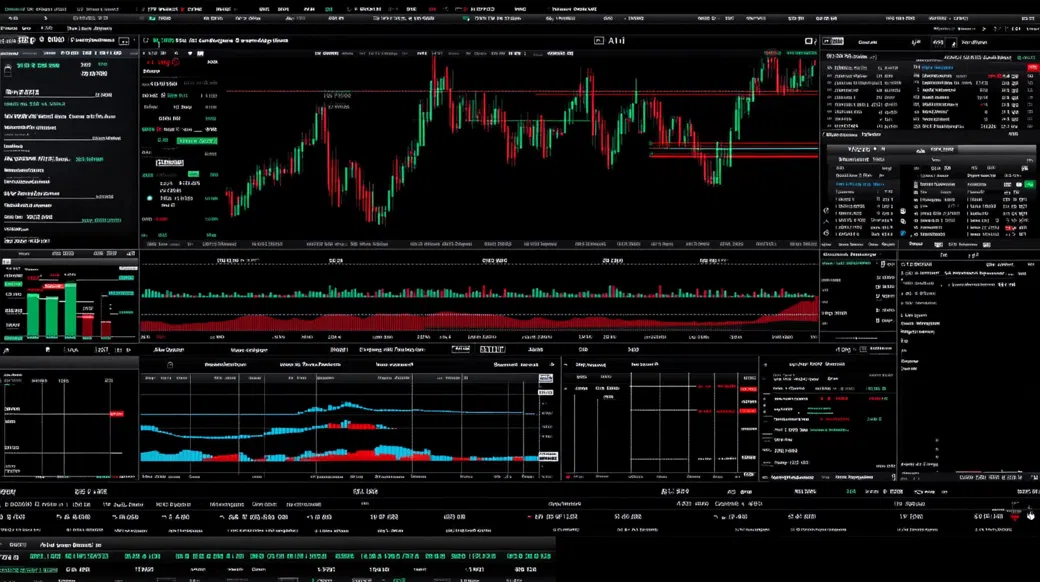
From the desktop side, the proprietary WebTrader held up well: the session stayed stable, charts loaded quickly, and the order ticket offered the essentials (market, limit, stop, plus SL/TP). I tested execution on EUR/USD around the London–New York overlap and saw fills that were consistent with the quoted prices, with minor slippage when spreads briefly widened. If you’re coming from MT4/MT5, the gap is mainly ecosystem—fewer third-party indicators and less automation flexibility—rather than basic functionality.
The Troefbaat app is designed for management as much as entry: real-time quotes, quick position edits, and a clean pathway to deposits and withdrawals without digging through menus. Troefbaat login supported biometric unlock on my device, and push notifications for order events were reliable once enabled. One-tap close is handy in fast markets, though I’d still place complex orders on a larger screen when volatility spikes.
Tools are practical rather than flashy: an economic calendar, a news feed, multi-timeframe charting, and common indicators like RSI/MACD with basic drawing. Watchlists and price alerts are there, which matters when you track gold, oil, and an index basket together. The ceiling is clear—power users who depend on deep analytics, strategy testing, or cTrader-style depth views may feel constrained.
After entering email, phone, and a short suitability-style questionnaire, the client area pushed me toward identity checks before unlocking the full cashflow options. For KYC, I uploaded a government-issued photo ID and a recent proof of address (a bank statement under three months), and verification landed within the same business day. The process felt AML-driven rather than sales-driven, which I prefer when moving money across borders.
Currency handling is worth attention: if your base funding currency differs from your trading account denomination, conversion costs can sneak in. I deposited by card and the confirmation screen showed the amount, method, and a reference ID—useful when reconciling statements later. For the latest account pathway and terms, I checked Troefbaat directly inside the client portal.
I leaned on support twice: first via live chat to clarify how swaps are displayed on index CFDs, then via email to confirm the withdrawal sequence once KYC is approved. Chat connected in roughly three minutes, and the agent pointed me to the symbol-spec page and explained where the overnight rate appears before order confirmation. The email reply arrived in about eight hours on a business day, with a clear breakdown of internal processing versus bank/card timelines.
Coverage looked aligned with the segment: 24/5 live chat with email/ticket support in parallel, and the real responsiveness can vary by market hours. Language support is region-dependent, and phone contact may not be consistently offered everywhere. Weekends are quieter; if you trade crypto CFDs on Saturday, expect slower human responses even if the platform itself is live.
If you’re considering this broker, start by comparing the Standard versus Raw pricing on the instruments you actually trade, then verify your country eligibility before funding. A demo run can also reveal whether the platform’s charts and order controls match your routine.
Visit TroefbaatYes, it can work for beginners who keep position sizes small and use the demo first. The interface is not overloaded, and the Standard account avoids commission math. Still, the leverage (up to 1:500) can magnify mistakes quickly, so risk controls matter more than platform convenience.
Yes, crypto CFDs were available, including BTC and ETH in my test account. You’re trading price movements with leverage rather than holding coins in a wallet. Pay attention to weekend spreads and financing, which can be the real cost driver in crypto CFDs.
No, my test didn’t show scam behavior: I could complete KYC, place trades, and request a withdrawal. The more accurate question is “is Troefbaat legit under strong regulation?”—it operates via an offshore registration model, so legal recourse and compensation schemes may be limited compared with Tier-1 regulators.
No, Troefbaat is not available in the USA based on the broker’s onboarding checks. US residents typically can’t open accounts with offshore CFD providers due to local regulatory constraints. If you have dual residency, expect strict KYC and residency verification.
A Troefbaat withdrawal typically clears internal processing within 24–48 hours after KYC is approved. After that, receipt depends on the rail: cards often take 2–5 business days, bank wires 3–7 business days, and crypto can land the same day in many cases. Method fees or network congestion can extend the timeline.
The Troefbaat minimum deposit is $200 on the account types I used. That’s enough to test execution and fees without over-committing capital. If you plan to trade multiple assets, consider a larger buffer so margin swings don’t force early stop-outs.
Yes, Troefbaat has iOS and Android apps alongside its WebTrader. The mobile build supports order placement, position management, and account funding functions. For detailed chart work, I still prefer desktop, but the app is strong for monitoring and quick risk adjustments.
Overall Score: 4.0/5
For traders who think in baskets—FX for liquidity, gold for macro nerves, indices for beta—Troefbaat offers a coherent toolkit without drowning you in features you won’t use. My account test covered card funding, a handful of FX and gold orders, and a withdrawal request that moved through processing inside two days, which is what I want to see from an offshore CFD venue. The trade-off is the same one I’ve learned to price in since my Dubai desk days: you’re accepting lighter regulatory comfort in exchange for flexibility and leverage. If that’s your profile, review Troefbaat with clear eyes—CFDs are leveraged and capital is at risk.
Best for: active multi-asset CFD traders in supported regions who value leverage and a clean WebTrader. Avoid if: you require Tier-1 regulation, deep third-party platform ecosystems, or you’re prone to over-leveraging.