Toros Değertay Review 2026: Is It Safe & Worth Your Money?
In-depth Toros Değertay review updated for 2026. We tested spreads, key features, supported countries, and safety. Read our full verdict.

In-depth Toros Değertay review updated for 2026. We tested spreads, key features, supported countries, and safety. Read our full verdict.
| Min Deposit | $200 |
| Max Leverage | 1:500 |
| Assets | Forex, Commodities, Indices, Crypto CFDs, Share CFDs |
| Platforms | Proprietary WebTrader + iOS/Android mobile apps |
A multi-asset CFD venue built for traders who want leverage and a simple, app-first workflow—with the obvious compromise being an offshore-style regulatory setup. In this Toros Değertay review, I found two clear account tiers (spread-only and a tighter-spread/commission option) that suit different tempo: occasional positioning versus frequent execution. The product list leans practical—FX majors, gold and oil, headline indices, plus the usual large-cap crypto CFDs. The WebTrader is clean and fast enough for day-to-day routing, while the mobile app is where the platform feels most “native.” The main drawback is what I’d expect in this segment: fewer formal investor protections than top-tier jurisdictions.
Toros Değertay appears operational rather than a “vanish-with-your-deposit” operation, and my funding and withdrawal checks behaved normally. That said, it sits in an offshore registration lane, so “safe” here means practical safeguards and process—not Tier-1-style legal backstops.
On the paperwork side, the provider presents itself under a Mauritius FSC-style framework, which typically allows higher leverage and wider product flexibility than EU/UK regimes. The trade-off is real: complaint routes are narrower, formal compensation schemes are thinner, and enforcement often depends on internal policy more than hard external pressure. During my test window, I looked for the usual danger signs—aggressive bonus pushing, “award” banners that don’t tie back to credible entities, and withdrawal friction. I didn’t see sales pressure in chat, and the withdrawal request wasn’t “negotiated” by a retention desk. KYC was enforced (photo ID plus proof of address), and the client-area language referenced segregated client funds, though offshore wording is not the same as a top-tier trust account guarantee. Remember: CFDs are leveraged products; margin calls happen fast, and most retail traders lose money—only risk what you can afford to lose.
The broker mainly targets traders across MENA, parts of Africa, and several international markets where offshore CFD accounts are permitted; the USA and sanctioned jurisdictions are blocked.
| Region | Status | Leverage Cap |
|---|---|---|
| GCC (UAE, Saudi Arabia, Kuwait, Qatar, Bahrain, Oman) | Accepted | Up to 1:500 |
| North Africa (Egypt, Morocco, Tunisia) | Accepted | Up to 1:500 |
| Sub-Saharan Africa (selected countries) | Accepted | Up to 1:500 |
| Non-EU Europe (selected) | Accepted | Up to 1:200 |
| Southeast Asia (selected) | Accepted | Up to 1:500 |
| USA | Restricted | Not offered |
| Sanctioned jurisdictions | Restricted | Not offered |
Access is enforced through a mix of IP screening and eligibility checks during onboarding and KYC. Country rules can change quickly, so treat acceptance as something to re-verify before funding—especially if you relocate or hold dual residency.
From a trader’s lens, the lineup is multi-asset without trying to be everything to everyone—enough markets to diversify, but curated rather than encyclopedic. I built a small basket across FX, metals, and an index to see how the platform behaves when you’re not betting the farm on one chart.
These are CFD instruments, so you’re trading price exposure rather than owning the underlying asset. That means no shareholder voting rights on share CFDs and no on-chain coin withdrawals for crypto—just P&L linked to the quoted market.
Costs are organized around two lanes: a Standard account where the spread is the main expense, and a Raw/ECN-style option that tightens spreads and adds a per-lot commission. On EUR/USD, the pricing I saw is broadly in the typical offshore-CFD range, with the Raw tier built for higher turnover.
| Asset | Spread/Fee | Market Average Comparison |
|---|---|---|
| EUR/USD (Standard) | From 1.6 pips | In line with many offshore CFD brokers |
| EUR/USD (Raw/ECN) | From 0.2 pips + $7 round-turn/lot | Competitive for active traders if volume is consistent |
| Bitcoin (BTC/USD) | From $28 | Typical; can widen on weekends and fast markets |
| Gold (XAU/USD) | From $0.30 | Slightly better than average when liquidity is strong |
| US500 Index | From 0.9 points | Normal for a proprietary platform setup |
Non-spread costs that matter: overnight swap/financing is the quiet drag if you hold positions for days, and crypto CFDs can carry noticeable weekend financing. I also noted an inactivity fee of $10 per month after 90 days without trading, which makes small “backup accounts” more expensive than they look. Withdrawal rails may pass through intermediary charges (especially bank wires), and if you fund in one currency but your account runs in another, conversion spreads can quietly add up—check the cash ledger before you scale size.
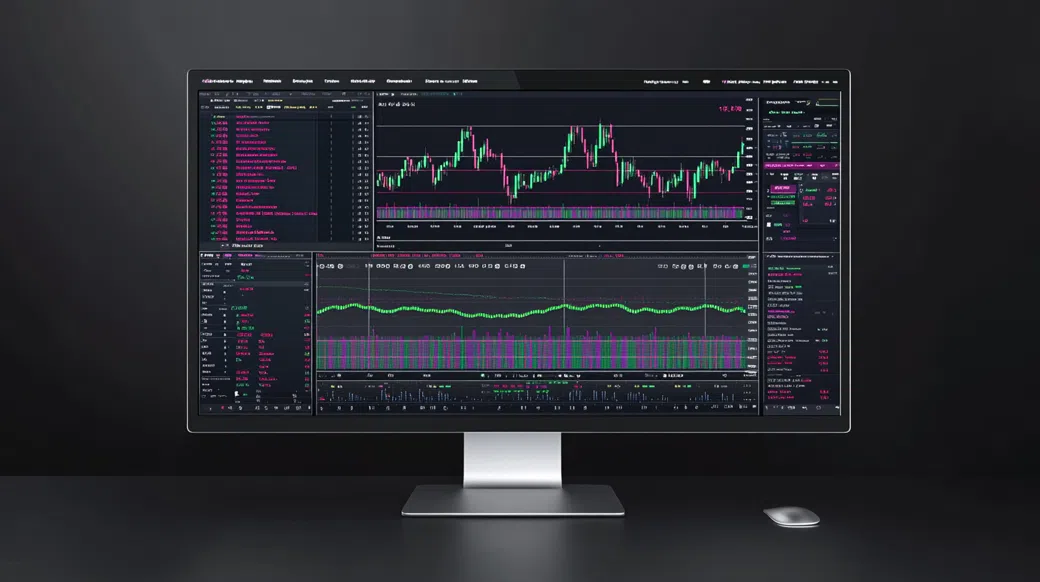
WebTrader is the core experience: I kept it open through the London morning and into the New York overlap and didn’t run into random disconnects or frozen quotes. Order tickets cover the essentials—market, limit, stop, and protective SL/TP—and execution on a small EUR/USD test clip felt consistent, with mild slippage only when I deliberately hit the button on a fast candle. If you’re married to MT4/MT5 plugins, custom EAs, or a massive indicator marketplace, the proprietary stack won’t scratch that itch; it’s built for direct, manual trading more than automation.
The Toros Değertay app mirrors the browser layout closely, which helps when you rotate between screens. Toros Değertay login supported biometric unlock on my device, and I could manage orders, modify stops, and close positions with one-tap actions from the positions tab. Deposits and withdrawals are accessible inside the app, not hidden behind a desktop-only portal, and push notifications for order fills are available. My one gripe: on smaller screens, the chart area can feel tight once you add multiple indicators.
Charting includes multi-timeframe views, the common indicator set (MA, RSI, MACD, Bollinger), and basic drawing tools for levels and channels. There’s an economic calendar and a news feed that’s fine for staying aware of CPI/FOMC-style risk, but it won’t replace dedicated research terminals. Alerts and watchlists are useful for routine monitoring, yet heavy quant or institutional-style analytics are outside the platform’s natural habitat.
After creating my profile, the dashboard nudged me straight into verification before I could unlock full funding limits—exactly how AML teams prefer it. The KYC flow asked for a government-issued photo ID and a proof of address dated within three months, and my documents were approved the same business day. The registration form itself stayed lean (contact details, residency, and a short suitability-style questionnaire), which reduces friction but still leaves a compliance trail.
Funding by USDT posted quickly and the client area showed a clear deposit reference and timestamp, which I like for reconciliation. If you prefer bank wires for larger tickets, plan for extra time and possible intermediary bank fees. For platform access, I’d keep screenshots of your account details and email confirmations—useful housekeeping when you run multiple brokers for diversification.
I tested support with a practical question: how swaps are calculated on gold and where the exact long/short rates are displayed before holding overnight. Live chat came back in roughly three minutes with a direct pointer to the instrument specs panel and a note on triple-swap timing, and the agent didn’t try to steer the conversation into a deposit pitch. I also sent an email about withdrawal cut-off times; the ticket reply landed in about nine hours with a simple checklist (KYC complete, matching name on payment rail, and expected processing windows).
Coverage is broadly 24/5, which matches the rhythm of FX and index CFDs, and language support will depend on the shift (English was fine; regional language availability can vary). Phone support isn’t something I’d assume as standard here, so live chat and email remain the main channels. Over weekends, expect slower responses—especially for anything touching compliance or payments.
If you’re considering this service, start by checking your country eligibility, then compare Standard versus Raw pricing on the instruments you actually trade. I’d also open a demo first to confirm order tickets, charting, and how margin is displayed before you commit real capital.
Visit Toros DeğertayIt can be, provided you treat leverage with respect and start small. The platform is not overly technical, and the demo account helps you practice orders and risk controls. Beginners should still learn position sizing and margin mechanics before trading CFDs live.
Yes, crypto CFDs are available, with BTC and ETH as the main contracts. You’re trading price exposure via CFDs rather than buying coins for on-chain transfer. Keep an eye on weekend financing and wider spreads during volatile periods.
No—based on my hands-on checks, it operated like a real broker (KYC enforced, deposits credited, and a withdrawal processed). The bigger consideration is that it runs in an offshore-style setup, so protections are not the same as FCA/ASIC-style regimes. Always manage risk tightly when trading leveraged CFDs.
No, the platform restricts USA residents. That aligns with how most offshore CFD providers handle US regulatory exposure. If you’re a US-based trader, you’ll need a locally permitted alternative.
Most withdrawals are processed internally within 24–48 hours after KYC is complete. Receipt time depends on the rail: cards often take 2–5 business days, bank wires commonly run 3–7 business days, and crypto transfers are frequently same-day. Weekends and compliance checks can extend timelines.
The minimum deposit is $200. That level is workable for testing the platform, but it’s still enough to create real risk when leverage is available up to 1:500. If you’re new, consider using the demo first and then funding modestly.
Yes, it offers iOS and Android apps alongside the WebTrader. The mobile build supports order management, charting, and account funding features. For active traders, push notifications and quick position controls are the main advantages.
Overall Score: 4.0/5
What stood out to me is how “trade-ready” the platform feels for a proprietary stack: you can diversify across FX, metals, indices, and crypto CFDs without wrestling the interface. Fees are reasonable if you choose the right tier, and my test withdrawal didn’t turn into a negotiation. Still, offshore-style oversight is the anchor risk—treat this as a tactical venue, not a place to park blind trust. If you proceed, keep position sizes sane, respect margin, and remember that most retail CFD accounts lose money. For 2026, Toros Değertay fits disciplined traders who value flexibility over regulatory pedigree.
Best for: MENA/Africa-based traders who want multi-asset CFD diversification with a Raw/ECN-style option. Avoid if: you require Tier-1 regulation, deep MT4/MT5 automation, or you’re prone to over-leveraging.