Possamença Trading Platform Alternatives 2026
Compare Possamença alternatives for 2026: regulated brokers, platforms (MT4/MT5/cTrader), costs, execution, and safety checks for US/EU-focused traders.

Compare Possamença alternatives for 2026: regulated brokers, platforms (MT4/MT5/cTrader), costs, execution, and safety checks for US/EU-focused traders.
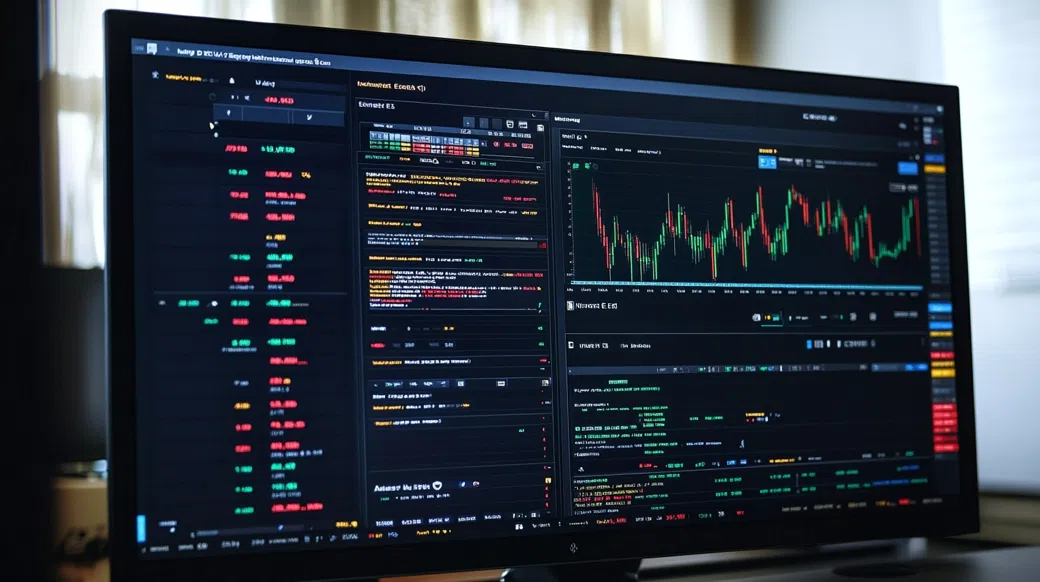
Markets have a habit of punishing comfort. I learned that first in commodities, watching a calm Dubai morning turn into a headline-driven spike by lunchtime. If you’re trading through an offshore-style CFD venue, the platform isn’t your only variable—jurisdiction, cash movement rules, and execution quality can matter just as much as your entry price. That’s the practical reason this guide to Possamença alternatives exists.
Based on what’s commonly observed for offshore CFD brokers, Possamença appears positioned as a forex-and-CFD-first provider using a proprietary WebTrader plus mobile apps. The offer in this segment usually looks familiar: 30–50 FX pairs, a handful of indices and commodities, and crypto CFDs for those who want volatility on tap. Typical entry points are modest (often around a $250 minimum deposit), while leverage can run high (frequently up to 1:500), which magnifies both opportunity and damage. Spreads on a standard-style account are often wider than top-tier venues—think around 2.0 pips on EUR/USD as a reasonable expectation.
For US and EU readers, the main question isn’t whether you can place a trade—it’s what happens around the trade: client money safeguards, negative balance protection, dispute resolution, and whether a regulator with real teeth sits behind the brand. The good news: there are credible, regulated substitutes for the Possamença trading platform that cover everything from FX and CFDs to real stocks, options, and futures—depending on your strategy.
Disclaimer: This article is for informational purposes only and does not constitute investment advice. CFDs and other leveraged products carry a high risk of loss and may not be suitable for all investors.
For traders in the Middle East and parts of Africa, offshore CFD brokers often appeal because onboarding can be fast and leverage is generous. Possamença fits that general mold: a CFD-led setup centered on forex, indices, commodities, and commonly crypto CFDs, typically structured with a dealing-desk/market-maker style model rather than direct exchange access. The product tends to suit short-term FX and index traders who prioritize simple access over institutional-grade toolsets. Where it can fall short—especially for US/EU expectations—is transparency around legal entity, protections for client funds, and the kind of oversight that comes with FCA, ASIC, CySEC, or NFA supervision. That’s why many people comparing platforms like Possamença end up widening the search to regulated venues with clearer guardrails.
The proprietary WebTrader experience in this category is usually “good enough” for manual trading: basic-to-mid charting, a practical set of indicators, and a clean order ticket for market/limit/stop orders. You’ll often get watchlists, price alerts, and a simple account dashboard showing margin, equity, and open P/L. The trade-off is depth: advanced order types (like server-side trailing stops), strategy testing, and robust add-ons are typically limited versus MT4/MT5 or cTrader ecosystems. Mobile apps on iOS/Android normally mirror the web layout fairly well, but heavy multi-chart workflows and detailed journaling can feel cramped. Execution can be acceptable in calm markets, yet slippage around news is where weaker infrastructure shows first.
Cost structure is usually spread-led on a standard account, with EUR/USD often hovering around ~2.0 pips in normal conditions. Some brokers in this lane advertise “raw” style pricing—think 0.0–0.4 pips—then add a commission in the neighborhood of $6–$8 per round turn, which is where the real comparison should happen. Swap/overnight financing matters more than most beginners think; hold a leveraged CFD for a week and you’ll feel it. Also watch for practical frictions: inactivity charges, withdrawal fees, and conversion costs if your base currency doesn’t match your funding method. These are the small leaks that can turn a decent month into a disappointing one.
Regulation is usually the first spark. Once you’ve traded through a few cycles, you start valuing the boring things: segregated client funds, clear margin-call rules, and a regulator you can actually search on a public register. That’s why the hunt for Possamença alternatives often begins right after a trader experiences a withdrawal delay, a sudden change in margin requirements, or unexplained slippage during high-impact news. High leverage (commonly marketed up to 1:500) can also tempt traders into oversizing—so the “problem” isn’t only the broker; it’s the risk environment the broker encourages. If your goal is longevity, you want a platform and jurisdiction that nudge you toward better habits.
Choosing a replacement broker is less like shopping for a new chart layout and more like setting a risk budget. Start with your “non-negotiables” (regulation, products, funding rails), then match the platform stack to your trading style. I’m a diversification purist, but I’m also practical: if you can’t execute cleanly, diversification becomes a theoretical comfort rather than a tradable edge. Below is how I filter competitors to Possamença when the reader is US/EU-focused and wants fewer operational surprises.
Look for oversight that changes a broker’s incentives. FCA regulation in the UK can include FSCS coverage up to £85,000 (eligibility depends on the entity and product), while CySEC oversight in Cyprus may come with ICF protection up to €20,000. ASIC supervision is also widely respected, even though compensation structures differ by jurisdiction. Beyond logos, verify the broker on the regulator’s public register and confirm the legal entity name. Stronger setups typically require segregated client funds, formal complaints processes, and clearer negative balance protection terms for retail clients.
Write down what you actually need to trade, not what looks exciting on a landing page. FX and indices via CFD might be enough for a short-term macro trader; an investor building a long-duration portfolio will want real stocks and ETFs. Options and futures matter if you hedge properly (or if you trade commodities beyond spot CFDs). Crypto is another fork in the road: many traders only need crypto CFDs for directional exposure, while others want exchange/on-chain ownership—often outside the classic broker model.
Spreads are only the headline. The cleaner measure is round-turn cost: the spread you cross plus any commission you pay to open and close. For an active FX trader, a difference of 0.8–1.2 pips on EUR/USD can dominate the P/L more than any “maximum leverage” claim. Then add the quieter costs—swap/overnight fees, inactivity fees, withdrawal charges, and currency conversion. If you hold positions for days, swap becomes your second spread; ignore it and you’ll misprice your own strategy.
Platform choice is really a choice about tooling and execution pathways. MT4/MT5 and cTrader ecosystems support automation, third-party analytics, and more nuanced order handling than most WebTrader builds. Execution model also matters: market maker can be fine for small tickets, while STP/ECN/DMA-style routing is often preferred by traders sensitive to slippage and re-quotes. If you’ve been trading on Possamença or similar venues, run a simple test at the new broker: compare fills during liquid hours and again during a news window to see how the price behaves under stress.
Good support is not “friendly chat”—it’s fast, accurate answers when money is in motion. Check support hours, language coverage, and whether you can reach a human during your trading session (EU mornings, US afternoons, or Gulf evenings). Education matters most for newer traders, but even pros benefit from margin policy explainers and platform documentation. Finally, test the mobile app for parity: if you manage risk from your phone, you need reliable charting, order editing, and push notifications.
On the FX/CFD side, brokers like Possamença typically cover the essentials: roughly 30–50 currency pairs, 8–15 indices, and a small menu of commodities (often the usual suspects like gold, oil, and a few agriculturals). The leverage marketing—often up to 1:500—can look attractive, but leverage is not a feature; it’s a multiplier on mistakes as well as wins. The bigger practical issue is cost and execution consistency. If you’re paying around 2.0 pips on EUR/USD on a standard account, a high-frequency approach will bleed. Pepperstone and IC Markets are frequently chosen by active FX traders because their Razor/Raw-style pricing can bring EUR/USD down toward ~0.0–0.3 pips plus commission (entity-dependent), and their platform stacks (MT4/MT5/cTrader) support systematic workflows. For traders who measure performance in hundreds of trades, that difference is not cosmetic—it’s structural.
This is where many offshore CFD venues leave a gap. If stocks or ETFs are offered, it’s often as CFDs—meaning no shareholder rights, no voting, and pricing that can include financing costs if held long-term. A US/EU trader building diversified exposure usually wants the option to own the underlying. Interactive Brokers is the classic solution for broad global market access: real equities and ETFs, options, futures, and FX under a framework regulated by bodies such as SEC/FINRA (US) and FCA (UK) depending on the entity. Saxo Bank also appeals to multi-asset traders who like to express macro views across listed instruments and CFDs from one account. For anyone moving from a CFD-only mindset into portfolio construction, these are not just “top substitutes for Possamença”—they are a different category of brokerage infrastructure.
Crypto access, when present in this broker segment, is usually via crypto CFDs: you’re trading price exposure, not taking delivery of coins, and you don’t control on-chain wallets. That can be perfectly fine for tactical traders who want to express a view with risk limits and tight margin controls—but it’s a different proposition from holding spot crypto. If your objective is regulated CFD exposure, IG and Plus500 are commonly used in jurisdictions where crypto CFDs are permitted, offering a more supervised framework than many offshore providers (availability varies by region and entity). Still, treat crypto CFDs with extra respect: volatility can trigger margin calls quickly, and weekend gaps can produce slippage that surprises even experienced FX traders. In that context, regulated options vs Possamença are less about “more markets” and more about predictable risk controls.
Regulation: DFSA, FCA, MAS (entity and eligibility depend on your country)
Markets: Stocks, ETFs, bonds, FX, CFDs, options, futures
Fees: FX spreads typically competitive (often around ~0.6–1.2 pips on major pairs depending on tier); multi-asset pricing varies by venue and product
Platform: SaxoTraderGO, SaxoTraderPRO
Best For: Multi-asset diversification across listed and OTC markets
Regulation: FCA, ASIC, CySEC, DFSA
Markets: FX, CFDs (indices, commodities, metals; crypto CFDs where permitted)
Fees: Standard accounts often around ~1.0–1.3 pips on EUR/USD; Razor/Raw-style pricing can be ~0.0–0.3 pips plus commission (typical commission varies by platform and entity)
Platform: MT4, MT5, cTrader
Best For: Automated trading and scalping with tight pricing
Regulation: SEC/FINRA, FCA, IIROC (by entity)
Markets: Stocks, ETFs, options, futures, bonds, FX
Fees: Commission-based model; FX pricing is typically tight with transparent commissions; investing costs depend on product and venue
Platform: Trader Workstation (TWS), IBKR Desktop, mobile/web
Best For: Professionals needing global market access and advanced order control
Regulation: FCA, ASIC, MAS
Markets: CFDs (FX, indices, commodities, shares), spread betting (UK), limited investing products depending on region
Fees: FX spreads often from ~0.6–1.0 pips on majors (varies by product/entity); overnight financing applies on CFDs
Platform: IG Web Platform, mobile apps (MT4 available in some regions)
Best For: Macro and index CFD traders who value a long-standing regulated brand
Regulation: CFTC/NFA, FCA, ASIC, IIROC (by entity)
Markets: FX (and CFDs in certain jurisdictions), precious metals in some regions
Fees: Pricing is typically spread-based with majors often around ~0.8–1.4 pips depending on account/location; financing applies for overnight holds
Platform: OANDA Trade (web/mobile), MT4
Best For: Risk-controlled FX trading with strong US/EU compliance options
Regulation: FCA, CySEC, ASIC, MAS
Markets: CFDs (FX, indices, commodities, shares; crypto CFDs where permitted)
Fees: Spread-only CFD pricing; majors often roughly ~0.6–1.5 pips depending on market conditions; overnight funding and conversion fees apply
Platform: Plus500 proprietary WebTrader and mobile app
Best For: Simplicity-first CFD trading without third-party platforms
| Platform | Regulation | Main Markets | Typical Costs | Best For |
|---|---|---|---|---|
| Saxo Bank | DFSA, FCA, MAS | Stocks/ETFs, FX, CFDs, options, futures, bonds | FX ~0.6–1.2 pips (tier-dependent); product fees vary | Multi-asset diversification across listed and OTC markets |
| Pepperstone | FCA, ASIC, CySEC, DFSA | FX and CFDs (indices/commodities; crypto CFDs where allowed) | Std ~1.0–1.3 pips; Raw ~0.0–0.3 pips + commission | Automated trading and scalping with tight pricing |
| Interactive Brokers (IBKR) | SEC/FINRA, FCA, IIROC | Real stocks/ETFs, options, futures, bonds, FX | Commission model; tight FX with transparent fees | Professionals needing global market access and advanced order control |
| IG | FCA, ASIC, MAS | CFDs on FX/indices/commodities/shares; spread betting (UK) | FX often ~0.6–1.0 pips; CFD financing overnight | Macro and index CFD traders who value a long-standing regulated brand |
| OANDA | CFTC/NFA, FCA, ASIC, IIROC | FX (CFDs where permitted) | Spreads often ~0.8–1.4 pips on majors (entity-dependent) | Risk-controlled FX trading with strong US/EU compliance options |
| Plus500 | FCA, CySEC, ASIC, MAS | CFDs on FX/indices/commodities/shares (crypto CFDs where allowed) | Spread-only; majors roughly ~0.6–1.5 pips + overnight costs | Simplicity-first CFD trading without third-party platforms |
Switching brokers should feel like reducing operational risk, not like jumping from one boat to another mid-storm. Sequence matters: confirm the destination first, then unwind exposure, then move cash with clean documentation. And remember—leveraged CFDs can turn a small mistake into a large loss quickly, so keep position sizes modest while you’re in transition from Possamença to a new venue.
If you’re still evaluating your options, start by comparing onboarding, regional eligibility, and the platform stack side-by-side. Take screenshots of fees and margin rules, and test the order ticket on demo before you commit meaningful capital. The goal is clarity, not speed.
Visit PossamençaThe best alternative depends on whether you want CFDs-only trading or a true multi-asset brokerage account. For diversified access to real stocks, ETFs, options, and futures, Interactive Brokers or Saxo Bank are often the strongest Possamença alternatives. For FX-focused traders who care about spread-plus-commission efficiency, Pepperstone and OANDA are usually more fitting than offshore-style providers.
Possamença appears to operate under an offshore framework, commonly associated with Seychelles FSA-style registrations in this segment, rather than top-tier retail regulation like FCA, ASIC, CySEC, or NFA. That doesn’t automatically mean fraud, but it usually means fewer investor protections and weaker recourse if a dispute arises. If safety is your priority, regulated options vs Possamença with segregated client funds and clearer complaint channels are typically the better path.
With brokers similar to Possamença, forex and CFDs are usually the core offering, while stocks/ETFs are often CFDs rather than real ownership and listed futures are commonly not offered. Crypto exposure is frequently available as crypto CFDs (price exposure without on-chain custody). If you want real stocks/ETFs or exchange-traded futures, the more suitable substitutes for the Possamença trading platform are multi-asset brokers such as IBKR or Saxo.
Before switching, verify the new broker’s regulator and exact legal entity on a public register, then read the client-money and negative balance protection terms. Next, compare total trading cost (spread + commission + swap) and confirm the platform stack you need (MT4/MT5/cTrader or proprietary). Finally, make the move operationally tidy: complete KYC first, close positions, and withdraw using the original funding method to reduce AML friction—this is the practical backbone of any “best Possamença alternatives 2026” shortlist.
About the Author: Nadia El‑Amin is a former commodities trader based in Dubai who now covers brokerage risk, execution quality, and market structure across the Middle East and Africa. She focuses on how regulation, product design, and trading costs shape real-world outcomes—and treats diversification as the only free lunch worth trusting.