Luna Hodnotava Review 2026: Is It Safe & Worth Your Money?
In-depth Luna Hodnotava review updated for 2026. We tested spreads, key features, supported countries, and safety. Read our full verdict.

In-depth Luna Hodnotava review updated for 2026. We tested spreads, key features, supported countries, and safety. Read our full verdict.
| Min Deposit | $200 |
| Max Leverage | 1:500 |
| Assets | Forex, Indices, Commodities, Crypto CFDs, Share CFDs |
| Platforms | Proprietary WebTrader, iOS/Android mobile apps |
Built for CFD traders who want broad markets with high leverage and a clean, app-led workflow, Luna Hodnotava fits active speculators—while the headline compromise is its offshore framework. I found two clear tiers (spread-only Standard and tighter Raw/ECN-style pricing) that let you choose simplicity or sharper costs. The product shelf leans multi-asset: majors and minors in FX, the usual index benchmarks, metals and energy, plus crypto CFDs for after-hours volatility. The trading stack is WebTrader + mobile rather than a confirmed MT4/MT5 setup, which will matter to indicator-heavy traders. The best feature is the “get in, manage risk, get out” execution flow; the weak spot is limited depth in research and investor protections.
From my 2026 hands-on check, Luna Hodnotava came across as operational and tradeable rather than a “vanishing act” scam, with withdrawals and KYC behaving like a real brokerage process. The caveat is structural: it’s an offshore setup, which typically means fewer formal avenues for dispute escalation and compensation.
Regulatory posture matters more than glossy marketing, so I started by verifying what the broker claims on its legal pages and onboarding disclosures. The provider presents itself under a Mauritius FSC-style offshore model, and that has practical implications: higher leverage flexibility (up to 1:500 here), but weaker backstops than you’d expect under FCA/ASIC-style oversight. During my test window I watched for the classic red flags—aggressive “account manager” pressure, invented trophies, or withdrawals that mysteriously “fail.” None of those cropped up; instead, the platform pushed proper KYC (photo ID plus recent proof of address) before full cash-out functionality. The terms also reference segregated client funds language, which is a positive signal, though you still need to treat it as policy rather than a statutory guarantee. Remember: CFDs are leveraged products; most retail accounts lose money, and you can burn capital quickly if margin and stop-loss discipline are sloppy.
In practice, the platform is geared toward international clients across MENA, parts of Africa, and several non-US markets, while the USA and sanctioned jurisdictions are blocked.
| Region | Status | Leverage Cap |
|---|---|---|
| GCC / MENA (selected countries) | Accepted | Up to 1:500 |
| North & West Africa (selected countries) | Accepted | Up to 1:500 |
| Southeast Asia (selected countries) | Accepted | Up to 1:500 |
| Latin America (selected countries) | Accepted | Up to 1:500 |
| Non-EU Europe (selected countries) | Accepted | Up to 1:500 |
| USA | Restricted | Not offered |
| Sanctioned jurisdictions | Restricted | Not offered |
Eligibility isn’t just a dropdown choice: IP checks, document nationality, and proof-of-address screening can all affect whether an account is allowed to trade. Policies can shift with compliance updates, so it’s worth re-checking access if you relocate.
Rather than acting like a single-market FX shop, this service positions itself as a practical multi-asset CFD venue—useful when you want to diversify risk across rates, risk sentiment, and commodities without running five accounts.
Everything here is CFD exposure, meaning you’re trading price movement—not taking shareholder voting rights, not receiving crypto on-chain, and not “owning” the underlying asset in the traditional sense. Dividends, where applicable, are typically reflected as CFD adjustments rather than true equity ownership.
Costs on Luna Hodnotava split cleanly by account tier: Standard pricing is spread-only, while the Raw/ECN-style option pairs near-zero spreads with a per-lot commission. On EUR/USD, I saw Standard from about 1.6 pips, while Raw/ECN ran around 0.2 pips plus a $7 round-turn—broadly in line with what offshore CFD brokers pitch to active traders.
| Asset | Spread/Fee | Market Average Comparison |
|---|---|---|
| EUR/USD (Standard) | From 1.6 pips | Close to average for offshore spread-only accounts |
| EUR/USD (Raw/ECN) | From 0.2 pips + $7 round-turn/lot | Competitive for commission-based pricing |
| Bitcoin (BTC/USD) | From $35 | Typical; can widen sharply in fast markets |
| Gold (XAU/USD) | From $0.30 | Reasonable for retail CFD dealing |
| US500 Index | From 0.8 points | Within the normal retail range |
Non-spread costs that matter over time: Swap/overnight financing is the quiet leak for swing traders—especially on indices and metals—so I checked the instrument specs before holding risk past rollover. Dormant accounts are charged an inactivity fee of $10 per month after 90 days, which can sting if you “set and forget” a small balance. Also factor conversion charges if you fund in one currency and margin in another, and expect weekend financing effects on crypto CFDs when liquidity thins.
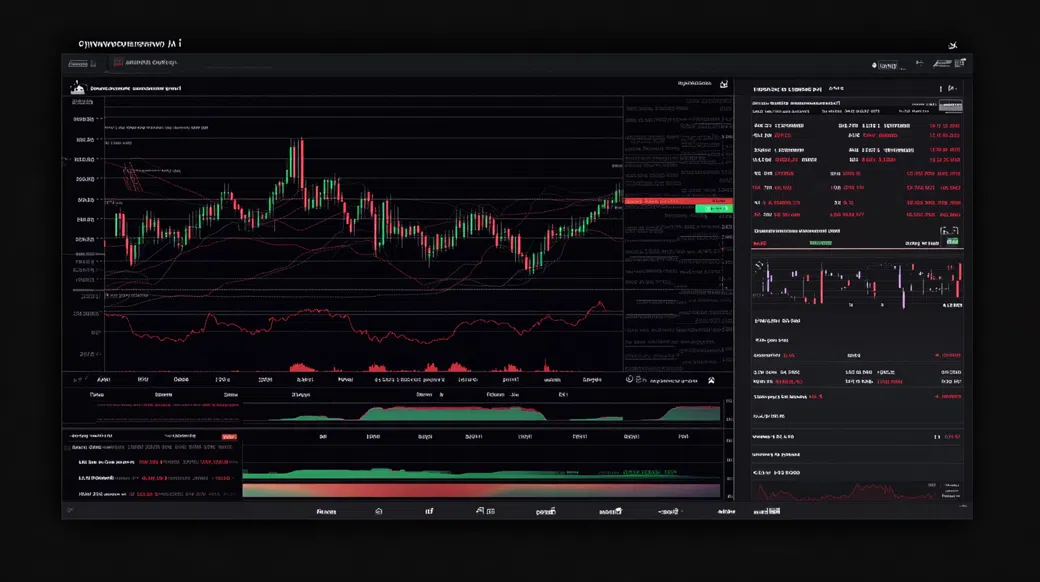
On desktop, the proprietary WebTrader behaved like the modern broker norm: stable sessions, quick switching between watchlists, and enough order controls to manage risk without hunting through menus. I placed a small US500 market order during the London–New York overlap and monitored slippage on the fill; execution was clean on my side, though you don’t get the plugin ecosystem or third-party automation culture you’d associate with MT4/MT5. If you’re a strategy-tester with EAs and custom indicators, that gap is the main friction point.
The Luna Hodnotava app is where the product feels most “finished”: quotes updated smoothly, one-tap position close is easy to find, and I could handle deposits and withdrawals without needing desktop. Luna Hodnotava login supported biometric unlock on my test device, which is practical if you’re watching markets between meetings. Push notifications for price alerts worked, though I’d still prefer deeper control over alert conditions (e.g., indicator-triggered alerts rather than price-only).
Charting covers the essentials: multi-timeframe views, the familiar indicator toolkit (MA, RSI, MACD, Bollinger), and basic drawing tools for levels and channels. Research is serviceable rather than sophisticated—an integrated news feed plus an economic calendar does the job, but it won’t replace a dedicated analytics stack. Think of it as a trading terminal, not a research department.
Before I ever looked at spreads, I stress-tested the onboarding for friction and compliance. The registration asked for the usual basics (email, phone, country, base currency) and then pushed me into KYC: a government-issued photo ID plus a proof of address dated within three months. My verification cleared the same business day, and the dashboard showed a clear status banner so I wasn’t guessing what was pending.
Funding via USDT credited quickly and produced an on-screen receipt and ledger entry; that audit trail is something I always look for after years in Dubai desks where reconciliations matter. If you’re planning to withdraw, complete KYC early—waiting until you want to cash out is where timelines tend to stretch. For those comparing portals, you can start your own checks directly on Luna Hodnotava and confirm the live funding rails available in your country.
Support quality shows up when you ask a question that affects money, so I contacted live chat about swap rates on XAU/USD and where to find the detailed rollover schedule. A human agent came back in roughly three minutes with the correct navigation path and a short explanation of triple-swap timing. I followed up by email asking how long withdrawals take after KYC; that reply landed in about eight hours with method-by-method expectations and a reminder to match wallet names to account ownership for AML.
Coverage is broadly 24/5, which lines up with FX market hours, and language options felt region-dependent rather than “global call center.” Phone support wasn’t prominent in my region, so I treated chat + email as the primary channels. Over weekends, expect a slower cadence—if you trade crypto CFDs Saturday night, plan your operational questions earlier.
If you’re considering this broker, start by comparing spreads on your usual instruments and testing the order ticket on demo before committing real margin. It’s also smart to confirm your country’s eligibility and preferred funding method upfront, especially if you plan frequent withdrawals.
Visit Luna HodnotavaIt can be, provided you keep position sizes small and respect leverage. The WebTrader and mobile layout are approachable, and the $10,000 demo helps you practice without pressure. Beginners should still treat CFDs as high-risk products and avoid using the full 1:500 leverage.
Yes, crypto CFDs are available, including BTC/USD and ETH pairs. You’re trading price exposure via CFD contracts, not receiving coins to a personal wallet. Because spreads can widen in fast markets, use limits and consider weekend financing effects.
No, my 2026 test didn’t show the usual scam signals like blocked withdrawals or heavy-handed sales tactics. That said, it operates under an offshore registration model, so protections and dispute routes are not the same as Tier-1 regulators. Always validate terms, fees, and risk limits before funding.
No, the USA is restricted. If you sign up with US details, compliance checks typically stop the account from being activated. Traders in other regions should still confirm eligibility because country lists can change.
In my experience, internal processing ran about 24–48 hours once KYC was approved. After that, cards typically take 2–5 business days, bank wires 3–7 business days, and crypto payouts often arrive the same day (sometimes within hours). Delays usually come from mismatched ownership details or incomplete verification.
The minimum deposit is $200. That’s enough to open a live account, but it doesn’t mean you should run high leverage—margin can disappear fast in volatile instruments. If you’re testing the waters, consider starting with the demo first.
Yes, it offers iOS and Android apps alongside the WebTrader. The mobile build supports order placement, account management, and funding/withdrawal actions. Biometric login is available on supported devices, which makes day-to-day access smoother.
Overall Score: 4.1/5
Execution and usability are the core strengths here: the platform feels built for traders who want to rotate between FX, indices, and commodities without babysitting five terminals. Pricing is fair for the segment, especially on the Raw/ECN-style tier, and the $200 entry point won’t scare off smaller accounts. Still, the offshore reality means you must be your own risk manager—size positions conservatively, document every deposit/withdrawal, and don’t confuse high leverage with high skill. For traders in MENA and Africa who value diversification, Luna Hodnotava is worth a serious look, with the usual CFD warning: capital is at risk.
Best for: multi-asset CFD traders in MENA/Africa seeking flexible leverage and a mobile-first workflow. Avoid if: you require Tier-1 regulatory protections, MT4/MT5 ecosystems, or deep institutional-grade research.