Is Caldora Virexon Legit in 2026? Safety Review
Is Caldora Virexon legit and safe in 2026? An evidence-based look at broker-style safeguards, withdrawals, compliance signals, and what to verify first.

Is Caldora Virexon legit and safe in 2026? An evidence-based look at broker-style safeguards, withdrawals, compliance signals, and what to verify first.
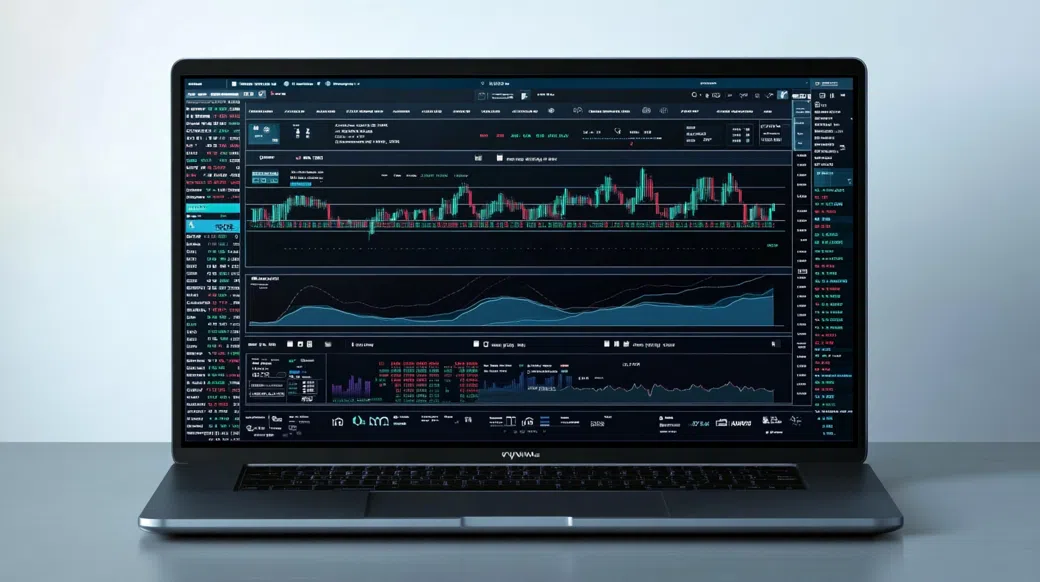
For anyone wiring funds to a new broker, the first question is simple: can you withdraw when it matters, and is the operator accountable. This review addresses Is Caldora Virexon legit? and is Caldora Virexon safe using only public-facing legitimacy signals—identity, policies, security, and basic compliance posture. From what’s readily observable, the picture looks mixed: there are some standard trust markers you can check, but there may not be enough verified regulatory clarity to treat it like a top-tier, fully supervised brokerage. Before depositing, confirm the legal entity and regulator status directly from official registers and the platform’s own documents at Caldora Virexon.
Caldora Virexon presents as a broker-style trading platform—typically the kind of venue where clients speculate on markets such as FX and CFDs rather than taking delivery of an asset. In this category, regulation is not a decorative badge; it determines whether the broker must follow rules around client money handling, leverage limits, risk warnings, complaint escalation, and (in some jurisdictions) investor compensation arrangements. A practical first check is to locate the platform’s stated operating entity in the legal footer or terms, then search that exact company name on the relevant regulator’s register (not a logo, not a screenshot). If you’re asking whether Caldora Virexon legit signals are strong, focus on whether the license details are consistent across the website, PDF policies, and the regulator entry—same entity name, same jurisdiction, and no “clone firm” warnings. If any of those pieces are vague, you should treat deposits as speculative exposure, not safeguarded savings.
| Entity Name | The brand name is public, but the key is the underlying legal entity; confirm the exact company name in the terms/footers and ensure it matches any register listing you find. |
| Compliance Signals | Look for visible KYC/AML language, a risk disclosure, and a complaints process; if these are missing or only available after signup, consider that a weaker compliance posture. |
| Security | At minimum, verify HTTPS/TLS on all pages that handle credentials and personal data, and check whether 2FA is offered (authenticator-app 2FA is stronger than SMS). |
Direct Answer: On the narrow question “is my money safe with Caldora Virexon?” the honest answer is: it depends on what you can verify about licensing, client-funds handling, and withdrawals. Without a regulator-register match and clear client money terms, it’s hard to state that is Caldora Virexon safe beyond basic operational security checks.
Start with custody and cashflow. For a broker, credible protection usually means clearly described segregated accounts (client money kept separate from company operating funds), documented withdrawal procedures, and straightforward fee/spread disclosures. Next comes the security stack: confirm SSL/TLS is enforced across login and deposit pages, and look for 2FA plus session controls (device management or login alerts are a plus). Finally, verify the “paper trail”: (1) identify the operating entity in the terms, (2) check that entity on an official financial regulator register, (3) read the withdrawal policy for timing and required documents, (4) confirm KYC is required before withdrawals (that’s normal under AML), and (5) review whether negative balance protection is stated for retail accounts. If any one of these is unclear, reduce exposure size and keep diversification front and centre—capital preservation beats chasing leverage.
Product disclosure is where serious brokers separate themselves from “pretty dashboards.” A legitimate-feeling brokerage setup usually publishes, in plain language, the execution model (market maker vs. agency), typical spreads/commissions, swap/financing charges, and a risk disclosure that doesn’t hide the downside. The more you have to guess—about fees, leverage, or order handling—the more you’re taking operational risk that has nothing to do with the market. When assessing the Caldora Virexon trading platform, treat transparency as a safety feature: clear PDFs, stable links to policies, and consistent terminology across the site are all small signals that reduce the chance of unpleasant surprises later.
Broker-style platforms commonly offer FX pairs first, then indices, commodities, and equity CFDs—sometimes with metals and energy contracts that attract Gulf traders used to watching crude and gold ticks by tick. Whether those instruments are actually available on Caldora Virexon should be confirmed from publicly listed contract specifications and fee schedules, not from banner claims. If you’re deciding whether is Caldora Virexon a legit choice for your strategy, match the instruments to your risk controls: look for disclosed leverage caps, margin rules, and whether negative balance protection is stated for retail clients. A clean, accessible “contract specs” page is a quiet but meaningful legitimacy tell in this category.
Online reviews can be useful, but only if you read them like a trader reads a rumour—cross-check, time-stamp, and look for patterns. Aggregator sites and app-store comments can be distorted by incentives, affiliate traffic, and outright fake reviews; the same applies to overly polished “success story” posts. For the Caldora Virexon scam or legit question, triangulate: compare review narratives with the broker’s published withdrawal rules, search for regulator bulletins or warning lists where relevant, and scan community discussions where experienced users dissect execution and slippage. If complaints exist, the key detail is specificity (dates, ticket references, and policy citations) rather than emotion. Also, see whether the platform advertises a formal complaint-handling channel—serious operators expect disputes and document how they handle them.
Think of this as a pre-flight checklist: you’re not trying to “prove” perfection, you’re trying to avoid obvious holes before money moves. If you’re asking is Caldora Virexon a legit broker, these are the four areas that typically separate regulated-grade operations from loosely supervised storefronts.
If you prefer to audit the details personally, start with the legal footer and the PDF policies: identify the operating entity, then verify it on the appropriate financial regulator register. Next, read the withdrawal and KYC rules end-to-end and compare the stated fees/spreads to peers you already know. You can do that research directly on Visit Caldora Virexon.
From a trader’s risk lens, the safest conclusion is cautious: there isn’t enough universally verifiable information in the public domain to state, without caveats, that is Caldora Virexon legit resolves cleanly for every user and jurisdiction. That doesn’t automatically mean it’s fraudulent—but it does mean you should behave as if operational risk is part of the trade. To decide whether is Caldora Virexon safe for you, insist on hard checks: confirm the legal entity and any licensing claims on official registers, read the withdrawal policy for discretion clauses, and verify baseline security controls like 2FA and HTTPS. If those items line up, Caldora Virexon may be workable for small, diversified exposure; if they don’t, keep your capital with a broker whose oversight is easier to prove.
Risk Warning: Trading involves risk, and you can lose some or all of your capital. This article is for information only and does not constitute financial advice.
It may be legitimate, but legitimacy here depends on verification rather than impressions. Check whether the platform clearly names its operating company and whether that entity is listed on a recognized financial regulator register. If you cannot match entity details across documents and registers, treat the claim as unproven.
Safety for deposits and withdrawals comes down to policy clarity and enforcement. Look for a documented withdrawal process, transparent fees, and normal KYC requirements under AML rules, then verify whether support channels respond with case numbers. If you’re asking how safe is Caldora Virexon, prioritize what you can confirm in writing over what any salesperson says.
There isn’t enough verified public evidence to label it either way in a definitive sense, so “is Caldora Virexon a scam” should be treated as an investigation checklist, not a slogan. The strongest red flags would be unverifiable licensing claims, anonymous operators, or withdrawal terms that allow unlimited discretion. If those show up when you review the documents, step back.
Your money is only as safe as the broker’s oversight and controls. Verify segregation language (where applicable), confirm any license on an official register, and avoid sending large amounts until withdrawals have been clearly explained in writing. In practice, keep position sizing modest and diversify across providers rather than concentrating cash with a single venue.
Check five things before funding: (1) the exact legal entity name in the terms/footers, (2) that entity on the relevant regulator register, (3) the withdrawal policy for timelines, fees, and discretion clauses, (4) the KYC/AML requirements and privacy policy, and (5) account security features such as 2FA and HTTPS on login. If any of these items is inconsistent or hard to find, reduce risk by limiting deposit size and choosing a broker with clearer supervision.