Flusso Valtexis Trading Platform Alternatives 2026
Compare Flusso Valtexis alternatives for 2026: regulated brokers, costs, platforms, and safety steps for US/EU traders seeking reliable options.

Compare Flusso Valtexis alternatives for 2026: regulated brokers, costs, platforms, and safety steps for US/EU traders seeking reliable options.
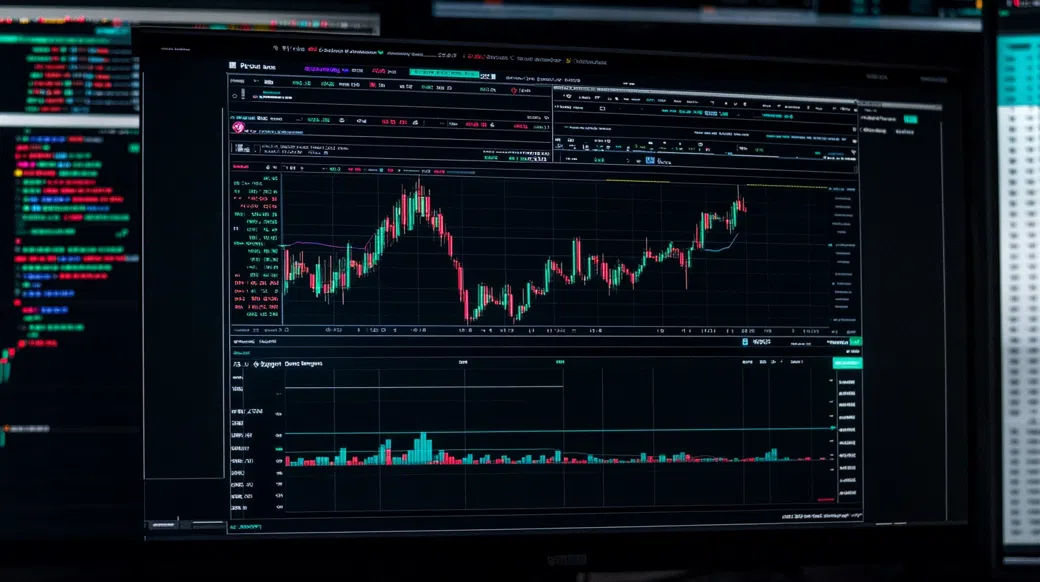
After a few cycles trading energy out of Dubai, you learn a simple truth: leverage can magnify a view, but it can’t fix a weak setup—especially if the broker’s safeguards are thin. That’s the lens I’m using for this guide to Flusso Valtexis alternatives. Flusso Valtexis sits in the familiar offshore CFD lane: a proprietary WebTrader, mobile apps, and a menu that typically revolves around forex pairs, indices, commodities, and crypto CFDs. Public-facing details in this segment often point to a Seychelles-style regulatory framework rather than a strict onshore regime, and that difference matters when withdrawals, dispute resolution, and client-money rules get tested.
For a US/EU audience, the practical question isn’t whether you can click “Buy” and “Sell.” It’s whether you can verify the legal entity, understand the execution model (market maker vs. STP/ECN/DMA), and quantify your all-in trading cost per round-turn—including spread, commission, and overnight swap. With Flusso Valtexis, typical parameters seen in comparable offshore setups include a minimum deposit around $250, headline leverage up to 1:500, and EUR/USD spreads around 2.0 pips on a standard-style account. That can work for some short-term traders, but many will prefer regulated options vs Flusso Valtexis that provide clearer investor protections, deeper platform stacks (MT4/MT5/cTrader), and more robust market access beyond CFDs.
Disclaimer: This article is for informational purposes only and does not constitute investment advice. CFDs and other leveraged products carry a high risk of loss, and you can lose more than you deposit depending on protections and jurisdiction.
From what is typically observable in this offshore CFD category, Flusso Valtexis operates as a retail trading venue focused on forex and CFDs rather than a true multi-asset, exchange-connected broker. That usually implies a dealing-desk or market-maker style of execution (even when “STP” is mentioned in marketing), with pricing and fills dependent on the broker’s liquidity setup and internal risk controls. The product shelf in platforms like Flusso Valtexis generally prioritizes major/minor FX pairs, a handful of global indices, a small set of commodities, and a rotating list of crypto CFDs—useful for directional trading, but structurally different from owning shares, ETFs, or exchange-listed futures.
Expect a proprietary WebTrader that covers the essentials without the ecosystem depth of MT4/MT5 or cTrader. Charting is usually serviceable—common timeframes, a standard set of indicators, and basic drawing tools—yet advanced workflow features (custom indicators, strategy testing, plug-in order management) are often limited. Order placement typically includes market and pending orders, with stop-loss and take-profit controls, plus a simplified account dashboard for margin, equity, and open positions. Mobile apps on iOS/Android tend to mirror the core functions, though mobile parity can fall short on multi-chart layouts, alerts granularity, and detailed reporting.
In this segment, the most common cost structure is a spread-first model on a Standard account, with EUR/USD often around 2.0 pips in normal conditions. Some providers also promote a “raw” or “ECN-style” tier with tighter spreads (sometimes near 0.0–0.4 pips) and a commission that frequently lands around $6–$8 per round-turn; the true comparison is the combined round-turn cost. Overnight financing (swap) is a meaningful line item for CFD positions held beyond a session, and traders should also watch for non-trading fees such as inactivity charges or withdrawal processing costs—items that can quietly dominate the P&L for smaller accounts.
In my experience across Middle East and African brokerage flows, the moment people start searching for alternatives to the Flusso Valtexis trading platform is when friction appears at the exact time you need reliability: volatile sessions, margin pressure, or a withdrawal request. Many traders don’t mind a simple interface—until they need auditability (trade receipts, slippage reporting), stronger dispute pathways, or a platform stack that supports systematic execution. For US/EU readers, Flusso Valtexis alternatives are often about tightening the “operational risk” side of the trade, not just chasing tighter spreads.
Think of broker selection like position sizing: you’re allocating trust, not just capital. A good process starts by matching your strategy (holding period, frequency, instruments) to the broker’s legal protections, execution model, and total cost of trading. The goal isn’t to find a perfect platform; it’s to reduce avoidable failure points—pricing integrity, withdrawal robustness, and platform resilience—before you scale.
For US/EU traders, named regulators matter because they set enforceable standards. FCA (UK), ASIC (Australia), CySEC (EU), and NFA/CFTC (US) regimes typically require stricter controls around marketing, leverage, complaints, and—critically—client money segregation. Some jurisdictions also offer compensation frameworks: the UK’s FSCS can cover eligible clients up to £85,000, while Cyprus’ ICF can cover eligible clients up to €20,000. That doesn’t remove market risk, but it can materially change your downside in a broker failure scenario.
Map your “real need” first. If you mainly trade FX and indices, a specialist CFD broker may fit. If you want a portfolio—US/EU stocks, ETFs, options, bonds, futures—then you’re looking for a multi-asset broker with exchange connectivity and transparent product labeling (real assets vs CFDs). Brokers similar to Flusso Valtexis can be fine for tactical exposure, but they rarely replace a diversified setup where you can hold long-term investments alongside hedges.
Spreads are only one slice. The clean comparison is round-turn cost: spread cost (in pips) plus commission (if any), adjusted for your trade size and frequency, and then add expected swap/overnight fees for your holding period. A “tight” raw spread with a $7 round-turn commission can be cheaper than a 2.0 pip all-in spread—especially for active traders. Also check funding/withdrawal fees and inactivity rules; they matter more than traders expect when accounts sit idle between themes.
Platform choice is a strategy choice. MT4/MT5 ecosystems support indicators, EAs, and a wide tooling marketplace; cTrader is popular for execution-focused trading and transparency features. Proprietary platforms can be stable, but they are harder to audit and less portable. Execution model is not academic: market makers may internalize flow, while STP/ECN/DMA routing can reduce conflicts but still exposes you to slippage in fast markets. If you currently trade via Flusso Valtexis, compare fill quality by tracking requested vs executed price on identical news events and liquid hours.
When volatility hits, support becomes part of execution. Look for clearly stated support hours, multilingual coverage, and response times that fit your time zone. Education is useful, but documentation is more valuable: margin policies, negative balance protection terms, and fee schedules written in plain language. Finally, confirm that the mobile app is not just a “viewer”—it should allow full risk management (modify stops/limits, monitor margin level, and see detailed order history).
Forex and CFDs are where Flusso Valtexis-like venues typically concentrate: roughly a few dozen FX pairs, a short list of indices, and a handful of commodities. The trade-off is usually leverage (often advertised up to 1:500) versus institutional-grade safeguards. For many retail traders, the bigger issue is cost and execution: a typical ~2.0 pip EUR/USD spread can erode edge quickly for intraday strategies, while slippage during data releases can turn a “planned” loss into a larger one. If FX is your core, Pepperstone or IC Markets are often chosen by active traders because they offer MT4/MT5/cTrader environments, raw-style pricing options, and a deeper execution toolkit. The point isn’t that fills will be perfect—no broker controls liquidity—but you get a platform stack designed for measuring execution quality and managing risk precisely.
Stock and ETF access is where the difference between “trading” and “investing” becomes obvious. In offshore CFD setups, equities are frequently presented as stock CFDs—synthetic exposure where you don’t hold the underlying shares, typically without shareholder rights, and with financing charges for longer holds. If your plan includes building a diversified book—US ETFs, European equities, and maybe even bonds—Interactive Brokers (IBKR) and Saxo Bank are in a different category because they are built around multi-asset custody and exchange access (DMA for many products). That’s particularly relevant for US/EU readers who care about corporate actions, taxation reports, and the ability to hedge a long equity portfolio with options or futures rather than relying on CFDs for everything.
Crypto on many CFD-first platforms is crypto CFDs: you speculate on price, but you don’t receive on-chain coins, and you typically can’t withdraw to a blockchain wallet. That can be perfectly acceptable for short-term trading, yet it’s a different risk profile than spot ownership (counterparty risk shifts from an exchange/wallet model to the broker’s CFD promise). Regulated alternatives can offer more clearly defined crypto CFD frameworks in certain jurisdictions, though availability depends heavily on where you live. IG and Plus500, for example, are widely recognized CFD providers under major regulators and can be used by traders who want crypto price exposure alongside indices and FX—while still operating within a more formal compliance perimeter. Regardless of venue, crypto remains volatile; position sizing and margin discipline matter more here than almost anywhere else.
Regulation: DFSA, FCA, MAS (entity depends on region)
Markets: Stocks, ETFs, bonds, FX, CFDs, options, futures
Fees: FX spreads typically from ~0.6–1.2 pips (account/region dependent); commissions apply on exchange-traded products
Platform: SaxoTraderGO, SaxoTraderPRO
Best For: Diversified multi-asset portfolios with pro-grade tools
Regulation: FCA, ASIC, CySEC, DFSA
Markets: FX, CFDs (indices, commodities, some crypto CFDs depending on entity)
Fees: Standard spreads often from ~1.0+ pip; Raw accounts may show ~0.0–0.3 pip plus commission (varies by platform/entity)
Platform: MT4, MT5, cTrader
Best For: Systematic FX traders using EAs and cTrader automation
Regulation: SEC/FINRA, FCA, IIROC
Markets: Stocks, ETFs, options, futures, bonds, FX
Fees: FX pricing is typically commission-based with tight spreads on major pairs; exchange fees/commissions apply per product and venue
Platform: Trader Workstation (TWS), IBKR Desktop, IBKR Mobile
Best For: Active investors needing global exchanges and deep market access
Regulation: FCA, ASIC, MAS
Markets: CFDs (FX, indices, commodities, shares), spread betting (UK/IE), some stock dealing (region dependent)
Fees: Spreads vary by market; major FX pairs commonly quoted from sub-1 pip in liquid hours (account/region dependent)
Platform: IG platform (web/mobile), MT4 (availability varies)
Best For: Macro traders who want broad CFD coverage and strong research
Regulation: CFTC/NFA, FCA, ASIC, IIROC
Markets: FX, CFDs (availability depends on jurisdiction)
Fees: Typically spread-based pricing; majors can be competitive in liquid sessions, with total cost depending on account type and region
Platform: OANDA Trade (web/mobile), MT4
Best For: US-eligible FX traders prioritizing transparent pricing
Regulation: FCA, CySEC, ASIC, MAS
Markets: CFDs (indices, FX, commodities, shares, some crypto CFDs depending on region)
Fees: Mostly spread-based; financing/overnight charges apply on leveraged CFD positions
Platform: Plus500 proprietary WebTrader and mobile app
Best For: Beginners who want a straightforward CFD interface
| Platform | Regulation | Main Markets | Typical Costs | Best For |
|---|---|---|---|---|
| Saxo Bank | DFSA, FCA, MAS | Stocks/ETFs, options, futures, FX, CFDs, bonds | FX ~0.6–1.2 pips; commissions on exchanges | Diversified multi-asset portfolios with pro-grade tools |
| Pepperstone | FCA, ASIC, CySEC, DFSA | FX and CFDs | Standard ~1.0+ pip; Raw ~0.0–0.3 pip + commission | Systematic FX traders using EAs and cTrader automation |
| Interactive Brokers (IBKR) | SEC/FINRA, FCA, IIROC | Global stocks/ETFs, options, futures, bonds, FX | Commission-based; tight FX pricing on majors | Active investors needing global exchanges and deep market access |
| IG | FCA, ASIC, MAS | CFDs across FX/indices/commodities/shares; spread betting (UK/IE) | Variable spreads; majors often sub-1 pip in liquid hours | Macro traders who want broad CFD coverage and strong research |
| OANDA | CFTC/NFA, FCA, ASIC, IIROC | FX (plus CFDs where permitted) | Spread-based; competitive majors depending on region/type | US-eligible FX traders prioritizing transparent pricing |
| Plus500 | FCA, CySEC, ASIC, MAS | CFDs (FX, indices, commodities, shares, selected crypto CFDs) | Spread-based + overnight financing on leveraged CFDs | Beginners who want a straightforward CFD interface |
Switching brokers is not a “click and done” job; treat it like moving collateral between prime relationships. Sequence matters: you want the new account operational before you unwind the old one, and you want records downloaded before access changes. Keep in mind that CFDs are leveraged products—if you rush during a volatile week, execution and margin errors can cost more than any spread difference.
If you’re comparing platforms like Flusso Valtexis side-by-side, start by checking your regional eligibility, then read the fee schedule and margin rules as carefully as you’d read a trade setup. Test the platform flow (charts, order ticket, withdrawals) before committing meaningful capital.
Visit Flusso ValtexisThe best option depends on whether you need multi-asset investing or fast CFD execution. For broad diversification (real stocks/ETFs plus derivatives), Interactive Brokers or Saxo Bank are strong Flusso Valtexis alternatives; for FX-first trading with MT4/MT5/cTrader, Pepperstone is often a practical fit. If you want a simpler CFD-only experience under major regulators, Plus500 or IG can be easier to navigate.
Flusso Valtexis appears to operate in an offshore regulatory framework (commonly associated with Seychelles-style oversight in this category), which typically offers fewer investor protections than FCA/CySEC/NFA-regulated brokers. That doesn’t automatically mean malpractice, but it does mean you should be stricter about counterparty risk: segregated funds policy, withdrawal terms, and documented complaints handling. If safety is your priority, regulated options vs Flusso Valtexis are usually the first place to look.
Most platforms in this lane focus on FX and CFDs, so stocks and crypto are commonly offered as CFDs rather than as real share ownership or on-chain coins. Exchange-listed futures access is often limited, and when “stocks” are available they may be synthetic contracts with financing costs and no shareholder rights. If you need real stocks/ETFs or futures routing, brokers similar to Flusso Valtexis generally won’t match what IBKR or Saxo can provide.
Before switching, verify regulation on the official register, confirm client-money segregation, and read the fee schedule for spreads, commissions, swap, and withdrawals. Next, ensure the platform stack matches your method (MT4/MT5/cTrader for EAs, or proprietary for discretionary), then test execution with small size. Finally, download statements and close risk before moving funds so the transition doesn’t turn into a forced trade.
About the Author: Nadia El-Amin is a former commodities trader based in Dubai who covers brokerage market structure across the Middle East and Africa for a global readership. She focuses on practical risk controls—regulation, execution quality, and cost-of-trade—and treats diversification as the closest thing finance offers to a free lunch.