Drayford Credmere Trading Platform Alternatives 2026
Compare Drayford Credmere alternatives for 2026: regulated brokers, costs, platforms (MT4/MT5/cTrader), asset access, and safer migration steps for US/EU traders.

Compare Drayford Credmere alternatives for 2026: regulated brokers, costs, platforms (MT4/MT5/cTrader), asset access, and safer migration steps for US/EU traders.
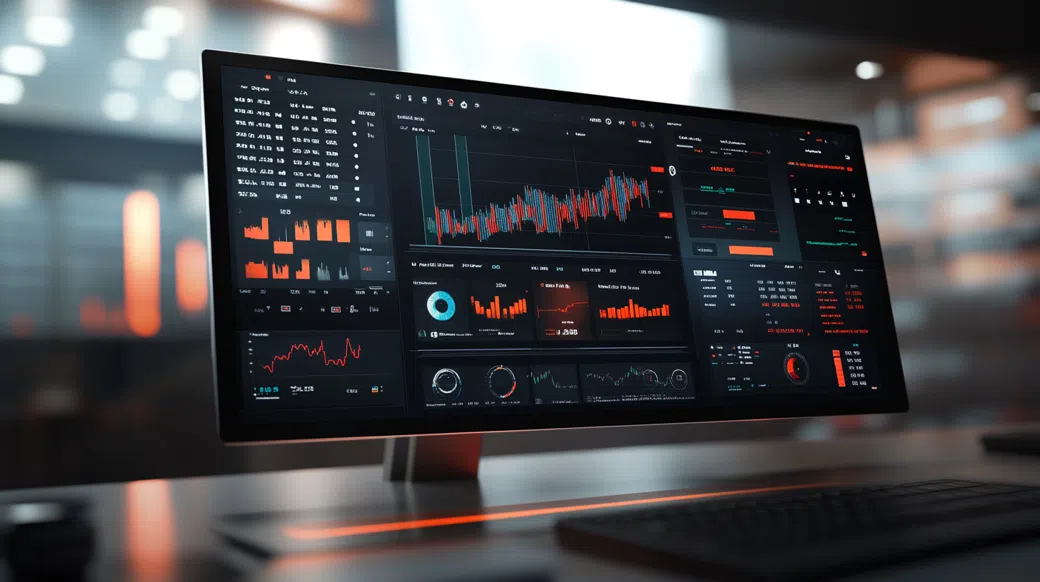
From a Dubai trading desk, you learn quickly that “good enough” platforms become expensive—usually at the worst possible moment. Drayford Credmere is typically presented as a forex-and-CFD venue with a proprietary WebTrader and a mobile app, aimed at retail traders who want quick market access. In this category of broker, you often see high leverage (commonly up to 1:500), a relatively low barrier to entry (around a $250 minimum deposit), and a product shelf built around FX pairs, indices, commodities, and crypto CFDs.
That mix can work for short-term speculation, but it also raises practical questions for US/EU-focused traders: which legal entity are you onboarding with, what investor protections apply, how clean is the execution during fast markets, and what happens when you need a withdrawal processed under strict AML rules. Those are the moments when Drayford Credmere is no longer just a charting screen—it’s a counterparty decision.
This guide to Drayford Credmere alternatives is written for traders who want more than headline leverage. I compare regulated platforms, explain what to prioritize (from compensation schemes to slippage and swap costs), and map each alternative to a trading style—because diversification is the only free lunch, and broker risk is part of the same plate.
Disclaimer: This article is for informational purposes only and does not constitute investment advice. CFDs and other leveraged products carry a high risk of loss and may not be suitable for all investors.
Across offshore-style CFD providers, Drayford Credmere tends to sit in the “CFD-first” lane: forex and CFDs are the main event, with a product list that usually looks like 30–50 FX pairs, 8–15 indices, 5–10 commodities, and a menu of crypto CFDs. The operating reality for many platforms like this is closer to a dealing-desk/market-maker setup than true DMA—fine for some traders, but worth understanding if you scalp or trade news. Regionally, US residents are commonly excluded, and sanctioned jurisdictions are typically restricted due to compliance requirements.
Expect a browser-based WebTrader experience with basic-to-mid charting rather than institutional depth. Chart layouts are usually serviceable: common timeframes, a set of indicators, and drawing tools for trendlines and levels. Order entry normally covers market and pending orders, with stop-loss and take-profit controls; more advanced order types can be limited compared with MT5 or a professional DMA terminal. Mobile parity is generally decent for monitoring and execution, but serious workflow items—multi-chart setups, granular alerts, or detailed trade analytics—often feel compressed on the app. The account dashboard typically focuses on balance, margin, and open positions, with fewer tools for post-trade review.
Cost structure in offshore CFD venues usually centers on the spread, with a “Standard” style account advertised as simple and an “ECN/Raw” tier positioned for active traders. A realistic reference point for EUR/USD on a standard setup is often from around 2.0 pips, while an ECN-like tier may show 0.0–0.4 pips plus a $6–$8 round-turn commission. Add the quieter costs: swap/overnight financing on leveraged CFD positions, potential inactivity charges if you stop trading, and occasional withdrawal fees depending on payment rails. Those line items are where competitors to Drayford Credmere can materially change the monthly P&L for frequent traders.
Execution is usually the first crack in the relationship. When spreads widen during volatile sessions or slippage becomes a pattern, traders start pricing broker choice the way they price risk: as a cost that compounds. That’s why Drayford Credmere alternatives are often evaluated less on marketing and more on trade receipts—fill quality, margin policy, and the predictability of funding and withdrawals. Regulation also matters here: a stronger regulator can mean clearer complaint routes, tighter rules on client money handling, and defined protections like negative balance protection in some jurisdictions.
I treat broker selection like building a portfolio: match the vehicle to the job, and size risk to what you can tolerate. For alternatives to the Drayford Credmere trading platform, your checklist should start with jurisdiction and protections, then move to cost-of-trade and platform capabilities. A clean fit is one where the broker’s regulation, execution model, and product list all align with how you actually trade—not how a banner ad says you trade.
Prioritize firms overseen by top-tier regulators such as the FCA, ASIC, CySEC, or the NFA/CFTC for US-eligible FX. In the UK, the FSCS can provide coverage up to £85,000 for eligible clients; in Cyprus, the ICF can cover up to €20,000 under its rules. Look for segregated client funds, clear dispute channels, and—where applicable—negative balance protection. This is the core difference between regulated options vs Drayford Credmere when you’re thinking in downside terms.
Decide whether you’re a CFD trader, an investor, or both. FX and index CFDs may be enough for short-term trading, but diversification often requires real stocks, ETFs, bonds, options, or futures access. Multi-asset brokers are the natural home for that, while FX/CFD specialists can be sharper on spreads and execution. If your strategy includes commodities (my old habitat), check contract specs, swap schedules, and rollover handling—small details that turn into big numbers over a year.
Use a single yardstick: round-turn cost. That means spread + commission + the slippage you typically experience, not just the tightest advertised pip. Swaps matter if you hold positions overnight; inactivity fees matter if you trade in bursts. If you’re comparing Drayford Credmere with regulated substitutes, pull a month of statements and estimate what a 0.5–1.0 pip difference would have cost across your average trade size—this is where the math becomes personal.
Platform choice is a strategy choice. MT4 remains common for FX automation, MT5 expands markets and backtesting features, and cTrader is often preferred for depth-of-market and execution transparency. Execution model matters too: market maker vs STP/ECN/DMA affects how orders are handled and where slippage shows up. If you trade around data releases, test fills with small size first; even a “fast” platform can behave differently under real volatility and thin liquidity.
Good support is boring—until it isn’t. Check whether service hours match your trading sessions, whether support is reachable by phone/chat, and how quickly issues get escalated. Education can help beginners, but experienced traders should focus on operational quality: stable mobile apps, clear margin-call policy, and clean reporting for taxes. Brokers similar to Drayford Credmere can look identical on the surface; UX is where the truth leaks out.
On FX and CFDs, Drayford Credmere’s appeal is usually simplicity: a WebTrader, high leverage (often around 1:500), and a modest minimum deposit near $250. The trade-off is that costs can be less competitive for active traders, with EUR/USD commonly around 2.0 pips on standard-style pricing, and execution transparency that may not satisfy scalpers. For tighter pricing and a deeper platform stack, Pepperstone and IC Markets are frequently shortlisted in the regulated camp: both support MT4/MT5 and cTrader (depending on entity), and their “Raw” style accounts typically combine very low spreads with a clear commission model. If your edge depends on consistent fills, that structure is often easier to measure and monitor than a spread-only web platform.
This is where many platforms like Drayford Credmere show a structural gap. Offshore CFD brokers may offer stock exposure mainly via CFDs, which means you’re trading a derivative contract—no shareholder rights, no voting, and pricing that can reflect financing and broker terms. Traders who want true diversification—owning US/EU shares or ETFs, building a longer-term allocation, or using options for hedging—generally do better with a multi-asset venue. Interactive Brokers (IBKR) is hard to ignore for breadth: equities, ETFs, options, futures, and bonds sit alongside FX in one account. Saxo Bank is another strong choice for investors who still trade tactically, offering broad market access and tools that feel closer to a professional dealing room.
Where Drayford Credmere offers crypto exposure, it’s commonly via crypto CFDs—price speculation without on-chain ownership. That can be useful for hedging or short-term views, but it’s a different animal from holding spot crypto in a wallet. For traders who want regulated crypto CFD access within a more established framework, IG and Plus500 are often used in the UK/EU (availability depends on jurisdiction and product rules). The key is to read the product label: crypto CFDs carry leverage, overnight financing, and gap risk during weekend moves. If you’re scanning Drayford Credmere alternatives for crypto, decide whether you want trading exposure (CFD) or ownership (spot), because the platforms and risks are not interchangeable.
Regulation: FCA, DFSA, MAS (entity-dependent).
Markets: Stocks, ETFs, bonds, options, futures, FX, CFDs.
Fees: FX spreads generally from ~0.6–1.2 pips (pricing varies by account tier and region); commissions apply on equities/options/futures per schedule.
Platform: SaxoTraderGO, SaxoTraderPRO.
Best For: Multi-asset diversification with professional-grade tools.
Regulation: SEC/FINRA, FCA, IIROC (entity-dependent).
Markets: Stocks, ETFs, options, futures, bonds, FX (product access varies by region).
Fees: FX pricing is typically tight with transparent commissions; equity/derivatives commissions vary by venue and plan.
Platform: Trader Workstation (TWS), IBKR Desktop, mobile app, Client Portal.
Best For: Active investors needing global market access and advanced order types.
Regulation: FCA, ASIC, CySEC, DFSA (entity-dependent).
Markets: FX, index CFDs, commodity CFDs, (in some regions) crypto CFDs.
Fees: Standard pricing often around ~1.0–1.3 pips on EUR/USD; Raw/Razor-style accounts can be ~0.0–0.3 pips + commission (commissions vary by platform and entity).
Platform: MT4, MT5, cTrader, TradingView (integration varies by region).
Best For: Cost-sensitive FX traders running MT4/MT5 or cTrader.
Regulation: CFTC/NFA, FCA, ASIC, IIROC (entity-dependent).
Markets: FX (core), CFDs in certain jurisdictions (indices/commodities where permitted).
Fees: Spread-based pricing is common; EUR/USD spreads often around ~0.8–1.6 pips depending on market conditions and account type; financing applies on leveraged positions.
Platform: OANDA Trade (web/mobile), MT4 (availability varies by region).
Best For: FX-first traders who value strong regulatory coverage and straightforward tooling.
Regulation: FCA, ASIC, BaFin (entity-dependent).
Markets: CFDs across FX, indices, commodities, shares (CFDs), treasuries (where offered).
Fees: Competitive spread pricing on major FX pairs (often from ~0.7–1.2 pips on EUR/USD depending on account and region); share-CFD costs vary by market.
Platform: Next Generation platform, mobile app; MT4 in some regions.
Best For: Technical charting fans who want a powerful proprietary CFD platform.
Regulation: FCA, CySEC, ASIC (entity-dependent).
Markets: Stocks and ETFs (real asset access in many regions), CFDs (FX/indices/commodities), crypto (availability varies by jurisdiction).
Fees: FX/CFD pricing is typically spread-based and can be higher than ECN-style brokers; non-trading fees (like withdrawals) may apply depending on region.
Platform: eToro web platform, mobile app.
Best For: Beginners who want social features alongside multi-asset exposure.
| Platform | Regulation | Main Markets | Typical Costs | Best For |
|---|---|---|---|---|
| Saxo Bank | FCA/DFSA/MAS (by entity) | Stocks, ETFs, options, futures, bonds, FX, CFDs | FX ~0.6–1.2 pips; commissions on exchange-traded products | Multi-asset diversification with professional-grade tools |
| Interactive Brokers (IBKR) | SEC/FINRA, FCA, IIROC (by entity) | Stocks/ETFs, options, futures, bonds, FX | Tight FX + commissions; venue-based fees on equities/derivatives | Active investors needing global market access and advanced order types |
| Pepperstone | FCA/ASIC/CySEC/DFSA (by entity) | FX + CFD suite (indices/commodities; crypto CFDs where allowed) | Std ~1.0–1.3 pips; Raw ~0.0–0.3 + commission | Cost-sensitive FX traders running MT4/MT5 or cTrader |
| OANDA | CFTC/NFA, FCA, ASIC, IIROC (by entity) | FX core; CFDs in some regions | Typically spread-based ~0.8–1.6 pips on EUR/USD | FX-first traders who value strong regulatory coverage and straightforward tooling |
| CMC Markets | FCA/ASIC/BaFin (by entity) | CFDs (FX/indices/commodities/share CFDs) | Often ~0.7–1.2 pips on majors; share-CFD costs vary | Technical charting fans who want a powerful proprietary CFD platform |
| eToro | FCA/CySEC/ASIC (by entity) | Stocks/ETFs (often real), CFDs, crypto (region-dependent) | Spread-based; can be higher for FX/CFDs; some non-trading fees may apply | Beginners who want social features alongside multi-asset exposure |
Switching brokers is not a “click and go” exercise; it’s an operational project with market risk attached. The cleanest migrations keep you continuously hedged against surprises: regulatory verification first, funding path second, and only then strategy deployment. If you’re moving from Drayford Credmere alternatives research into action, treat leverage with respect—an account transfer done in a hurry can turn into forced trades at the worst prices.
If you’re still evaluating platforms like Drayford Credmere, review the current onboarding flow, product list, and trading conditions for your region before you commit fresh capital. Compare leverage, costs, and platform tools against the best Drayford Credmere alternatives 2026 list above, then test with small size to see how execution behaves in real markets.
Visit Drayford CredmereThe best option depends on whether you want multi-asset investing or pure FX/CFD trading. For broad diversification into real stocks, ETFs, options, and futures, Interactive Brokers (IBKR) or Saxo Bank are strong candidates. For cost-focused FX execution with MT4/MT5/cTrader, Pepperstone is often a more direct substitute among regulated brokers.
Drayford Credmere appears to operate under an offshore framework (commonly associated with jurisdictions such as the Seychelles), which generally offers fewer investor protections than FCA/ASIC/CySEC-regulated firms. Safety is not only about platform uptime; it’s about client money rules, complaint escalation, and whether compensation schemes apply. Traders comparing regulated options vs Drayford Credmere should verify the exact legal entity and understand what protections they do—and do not—receive.
With Drayford Credmere, the offering is typically centered on forex and CFDs, with crypto exposure commonly delivered as crypto CFDs rather than coin ownership. Real stocks, ETFs, and exchange-traded futures are often not the focus in this broker segment, or they appear mainly as CFDs. If those assets matter to your diversification plan, multi-asset brokers like IBKR or Saxo are usually better matches.
Before switching, confirm the new broker’s regulator and entity on the official register, then verify funding/withdrawal methods and any inactivity or withdrawal fees. Test the platform with a small deposit and measure spreads, swaps, and slippage during your normal trading hours. Finally, download your statements and trade history so your records remain complete even after you reduce activity on the old account.
About the Author: Nadia El-Amin is a former commodities trader based in Dubai who covers brokerage markets across the Middle East and Africa with a practical, risk-first lens. She focuses on execution quality, regulation, and how platform design influences real trading outcomes—because diversification only works when the plumbing is solid.