Corona Fondenza Review 2026: Is It Safe & Worth Your Money?
In-depth Corona Fondenza review updated for 2026. We tested spreads, key features, supported countries, and safety. Read our full verdict.

In-depth Corona Fondenza review updated for 2026. We tested spreads, key features, supported countries, and safety. Read our full verdict.
| Min Deposit | $200 |
| Max Leverage | 1:500 |
| Assets | Forex, Indices, Commodities, Crypto CFDs, Share CFDs |
| Platforms | Proprietary WebTrader, iOS & Android mobile apps |
Built as a multi-asset CFD venue, Corona Fondenza suits traders who want one screen for FX, metals, indices, and crypto—while accepting the compromises that come with an offshore setup and high leverage. In my test, the account tiers split cleanly into a spread-only Standard and a tighter-spread Raw-style option with commission, which will matter if you scalp during the London–New York overlap. The platform stack is proprietary (web + mobile), and the strongest point is how quickly you can move from watchlist to execution on the majors. The main drawback is the thinner safety net versus top-tier regulated brokers—so risk controls and position sizing need to be non-negotiable. I detail the full Corona Fondenza experience below.
Corona Fondenza appears operational rather than a “disappearing act” broker: I was able to verify KYC, trade, and withdraw. That said, it runs under an offshore framework, which changes what “safe” means—fewer statutory protections, and more responsibility on the trader to manage counterparty risk.
The provider presents itself as registered under the Seychelles FSA, and the onboarding flow leaned hard into AML: upload prompts required a government ID and a proof of address dated within three months before withdrawal options unlocked. Offshore regulation can be a double-edged sword—leverage is generous (up to 1:500), yet compensation schemes and escalation channels are typically lighter than what you’d expect under FCA/ASIC-style regimes. During my test window, I looked for classic red flags: aggressive “account manager” pressure, too-good-to-be-true awards, or withdrawal stalling. The sales tone stayed relatively contained, and the withdrawal I initiated processed inside the stated internal window. The site’s language referenced segregated client funds, which is encouraging, but in offshore markets the practical enforcement varies. Remember: CFDs are leveraged products; margin calls come fast, and most retail accounts lose money—trade with capital you can afford to risk.
This broker is accessible across a wide set of non-US regions, with the most consistent onboarding experience for MENA, parts of Africa, and LATAM clients. The USA is blocked, and sanctioned jurisdictions are also kept out.
| Region | Status | Leverage Cap |
|---|---|---|
| MENA (selected countries) | Accepted | Up to 1:500 |
| Sub-Saharan Africa (selected countries) | Accepted | Up to 1:500 |
| Latin America (selected countries) | Accepted | Up to 1:500 |
| Southeast Asia (selected countries) | Accepted | Up to 1:500 |
| USA | Restricted | Not offered |
| Sanctioned jurisdictions | Restricted | Not offered |
Access is enforced through a mix of sign-up declarations, IP checks, and KYC review—so you can’t “click through” eligibility forever. Policies also shift with banking rails and compliance rules, so it’s worth confirming your country status before funding.
The lineup is built for traders who rotate risk: FX for liquidity, metals for macro hedging, and indices/crypto when volatility wakes up. I found the menus cleanly grouped, with enough instruments for portfolio-style diversification without drowning you in micro-tickers.
All exposure here is via CFD contracts, not physical ownership—no shareholder voting, and no on-chain crypto withdrawals. Dividends (where applicable) are typically handled as account adjustments rather than true dividend receipts.
Pricing is segmented: a Standard account bakes costs into the spread, while a Raw/ECN-style tier tightens the spread and adds a per-lot commission. On my screen, total costs on the Raw setup were more attractive for frequent trading, while the Standard tier will feel simpler for lower turnover. Versus many offshore CFD peers, the headline FX pricing lands around the middle of the pack.
| Asset | Spread/Fee | Market Average Comparison |
|---|---|---|
| EUR/USD (Standard) | From 1.6 pips | In line |
| EUR/USD (Raw/ECN) | From 0.2 pips + $7 round-turn per lot | Better for high frequency |
| Bitcoin (BTC/USD) | From 0.45% | Slightly high on weekends |
| Gold (XAU/USD) | From $0.35 | Competitive |
| US500 Index | From 0.8 points | In line |
Non-spread costs matter more than people admit: overnight swap/financing is the silent leak on long-held CFD positions, and crypto often carries extra weekend financing. I also noted an inactivity fee of $10 per month after 90 days without trading, which can bite “parked” accounts. Finally, if you deposit in one currency and trade in another, conversion spreads can show up in the background—check your base currency settings before you fund Corona Fondenza.
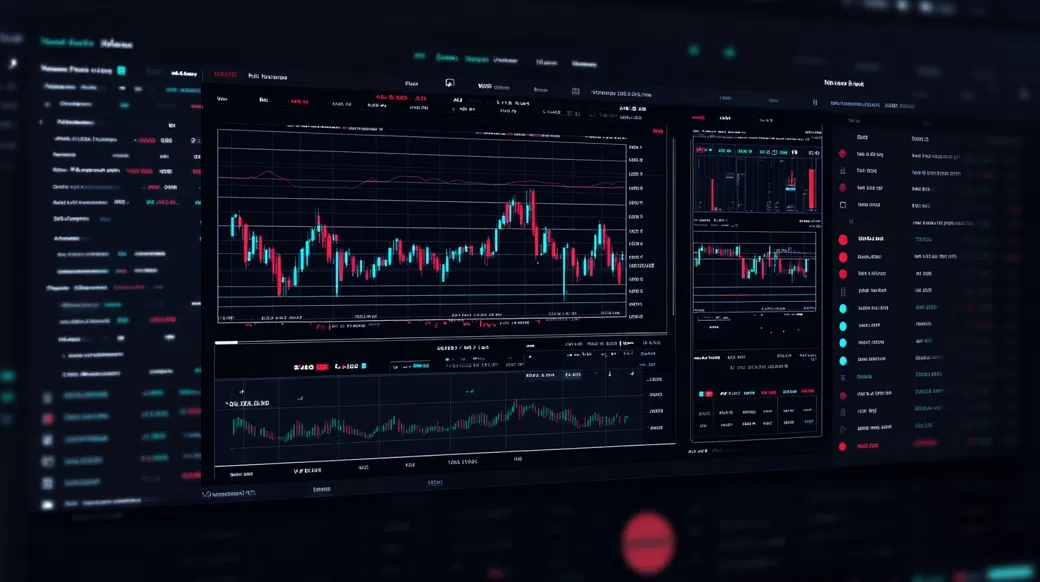
On desktop, the WebTrader held up well through repeated logins and session changes; charts loaded quickly and order tickets were laid out with margin impact visible before confirmation. I tested market and limit orders on XAU/USD around the London open and saw fills that matched expectations for a retail CFD feed—no dramatic requote loop, though fast markets can still introduce slippage. If you live inside MT4/MT5 add-ons, EAs, and custom indicators, the proprietary environment will feel leaner, even if it’s tidy.
The Corona Fondenza app is built for “manage-first” trading: real-time quotes, one-tap position close, and quick edits to stop-loss/take-profit from the positions screen. Corona Fondenza login supported biometric unlock on my device, and deposit/withdrawal navigation was only a couple of taps from the home dashboard. Push alerts for price levels were useful, although chart drawing on a small screen remains fiddly when you’re marking multi-timeframe zones.
Indicators covered the staples—moving averages, RSI, MACD, Bollinger—plus basic drawing tools and multi-timeframe views. Research is functional rather than deep: an economic calendar, a news strip, and watchlists that you can customize for “Majors + Gold” style workflows. Power users will still want external analytics for correlation and sentiment, but for day-to-day execution the toolkit is adequate.
My registration started with the usual identity basics (name, email, phone, residence), followed by suitability prompts that felt geared toward leverage awareness. KYC required a government-issued photo ID and a recent utility bill/bank statement, and my verification was approved the same business day. That’s important in offshore markets: the real friction often appears when you first try to move money out, not when you click “sign up.”
Depositing by card posted to my balance quickly, with a clear confirmation receipt inside the cashier. If you’re trading from the Gulf or across Africa, I’d still recommend matching your account base currency to your funding rail to reduce conversion drag over time.
I used live chat to ask a practical question: how swap rates are displayed and when triple-swap applies. The agent joined in roughly three minutes and pointed me to the contract-specs panel, including the cutoff time and the weekday when financing is multiplied. I followed up by email requesting withdrawal timing by method; the ticket reply landed in about nine hours with a clear breakdown of internal processing (24–48 hours after KYC) versus bank/card settlement.
Support coverage is broadly 24/5, which fits the FX week but leaves weekends lighter—relevant if you’re active in crypto. Language depth will depend on staffing; I received competent English support, while phone availability looked region-dependent rather than universal. In this segment, that’s normal: chat does most of the heavy lifting, and escalation paths are not as formal as they are with Tier-1 firms.
Before committing capital, I’d suggest opening a demo and checking spreads during your own trading hours—Dubai mornings trade differently than the New York overlap. Once you’re comfortable with the ticket and margin rules, verify your country eligibility and funding method, then proceed.
Visit Corona FondenzaIt can be, provided you keep leverage modest and use the demo first. The WebTrader is not cluttered, and the Standard account avoids commission math, which helps early-stage traders. Still, CFDs move fast, so beginners should focus on position sizing and stop placement before chasing volatility.
Yes, the platform offers crypto CFDs such as BTC/USD and ETH/USD. You’re trading price exposure, not receiving coins to a wallet, so there’s no on-chain transfer. Expect wider effective costs during weekend liquidity and sharp headline-driven swings.
No—based on my 2026 hands-on checks, it behaved like a functioning broker: KYC was enforced and my withdrawal request was processed. The more nuanced point is jurisdiction: offshore registration typically provides fewer statutory protections than Tier-1 regulators. Treat it as higher counterparty risk and trade accordingly.
No, Corona Fondenza is not offered to US residents. The platform blocks US onboarding and does not provide leverage terms there. If you’re in the US, you’ll need a broker authorized for US regulation.
Internal processing typically runs 24–48 hours once KYC is approved. After that, the receipt time depends on the rail: cards usually take 2–5 business days, wires 3–7 business days, and crypto transfers often land the same day. Always factor in bank cutoffs and weekend delays.
The Corona Fondenza minimum deposit is $200 for the live account I opened. That level is typical for offshore CFD providers targeting retail traders. If you’re testing execution, starting small and scaling only after withdrawals is the disciplined approach.
Yes, there are iOS and Android apps for trading and account management. You can monitor margin, adjust stops, and access deposits/withdrawals from the phone. For detailed chart work, the desktop WebTrader still feels more comfortable.
Overall Score: 4.0/5
From a trader’s chair, the appeal is simple: a clean multi-asset CFD menu, workable pricing on the majors (especially on the Raw-style tier), and a mobile experience that makes risk management less of a chore. The compromise sits in the paperwork—Seychelles-style offshore oversight is not the same safety blanket as a Tier-1 regime, so withdrawals, KYC discipline, and conservative leverage matter. If you’re comfortable with that trade-off and you size positions like a professional, Corona Fondenza can earn a spot as a satellite account alongside more heavily regulated brokers. CFDs are leveraged; losses can exceed expectations if you let margin run the show.
Best for: active FX/metals traders in MENA/Africa/LATAM who want Standard vs Raw pricing choice and 1:500 flexibility. Avoid if: you require Tier-1 regulation, formal compensation schemes, or MT4/MT5-dependent workflows.