Cèdre Placivect Review 2026: Is It Safe & Worth Your Money?
In-depth Cèdre Placivect review updated for 2026. We tested spreads, key features, supported countries, and safety. Read our full verdict.

In-depth Cèdre Placivect review updated for 2026. We tested spreads, key features, supported countries, and safety. Read our full verdict.
| Min Deposit | $200 |
| Max Leverage | 1:500 |
| Assets | Forex, Commodities, Indices, Crypto CFDs, Share CFDs |
| Platforms | Proprietary WebTrader + iOS/Android mobile apps |
Built for traders who want multi-asset CFDs with flexible leverage, Cèdre Placivect suits active speculators more than long-only investors—and the headline trade-off is an offshore framework in exchange for higher margin and broad market access. After testing both Standard and Raw/ECN-style pricing, I found the account ladder sensible: you can start with spread-only costs, then shift to commission pricing once your size justifies it. The product shelf leans FX and macro (indices, metals, energy), with crypto CFDs as a punchy add-on. The proprietary WebTrader is clean and fast enough for intraday work, while education stays light. I ran my test account end-to-end via Cèdre Placivect, including KYC, funding, and a small withdrawal.
Cèdre Placivect looked operational and tradeable in my 2026 test—orders executed, KYC was enforced, and withdrawals processed—so it didn’t present like a typical “vanishing broker.” The important caveat: it operates under an offshore model, which changes what “safe” means compared with FCA/ASIC-style supervision.
From the documents and onboarding disclosures I reviewed, the provider operates under a Mauritius FSC registration footprint, a setup common across international CFD venues serving MENA and parts of Africa. Offshore regulation can be a double-edged sword: you often get higher leverage and fewer product frictions, but you also give up strong investor-compensation schemes and straightforward escalation routes if a dispute arises. I scanned for the usual red flags—overly aggressive “account manager” pressure, flashy awards with no traceable issuer, or withdrawal obstruction—and didn’t encounter those in my test window. KYC/AML checks were not optional (government ID plus proof of address were required), and the risk language referenced segregated client funds. Still, remember the product itself is risky: CFDs are leveraged instruments, margin calls happen fast, and most retail traders lose money.
In practice, this broker is accessible across much of MENA, parts of Africa, and several non-EU European jurisdictions, while the USA and sanctioned locations are blocked.
| Region | Status | Leverage Cap |
|---|---|---|
| GCC (UAE, Saudi Arabia, Kuwait, Qatar, Oman, Bahrain) | Accepted | Up to 1:500 |
| North Africa (Morocco, Tunisia, Egypt) | Accepted | Up to 1:500 |
| Sub-Saharan Africa (Kenya, Nigeria, Ghana) | Accepted | Up to 1:500 |
| Non-EU Europe (e.g., Switzerland, Serbia) | Accepted | Up to 1:200 |
| USA | Restricted | Not offered |
| Sanctioned jurisdictions | Restricted | Not offered |
Expect eligibility checks to tighten at verification: IP location, phone country code, and KYC documents are used to confirm residency, and accepted regions can shift as the provider updates its risk policy.
The lineup reads like a macro trader’s toolkit: currencies and index CFDs sit at the center, with commodities and crypto CFDs there for diversification and tactical hedges.
All of this is CFD exposure: you’re trading price movement with leverage, not taking delivery of commodities, holding on-chain crypto, or receiving shareholder rights. Dividends, where applicable on share CFDs, are typically handled as adjustments rather than ownership income.
Costs depend on the account tier: Standard pricing is spread-only, while the Raw/ECN-style account tightens spreads and adds a per-lot commission. On my test quotes, the all-in feel was broadly in line with offshore CFD peers—competitive when markets are liquid, less forgiving when volatility spikes.
| Asset | Spread/Fee | Market Average Comparison |
|---|---|---|
| EUR/USD (Standard) | From 1.6 pips | Near the segment average |
| EUR/USD (Raw/ECN) | From 0.2 pips + $7 round-turn per lot | Competitive for active traders |
| Bitcoin (BTC/USD) | From 0.45% | Typical for CFD crypto pricing |
| Gold (XAU/USD) | From $0.28 | Slightly better than average in calm markets |
| US500 Index | From 0.8 points | In line with common CFD index spreads |
Non-spread costs to watch: overnight swap/financing is where many accounts quietly bleed, especially if you hold FX or indices for weeks; crypto CFDs can also carry weekend financing that compounds. I also noted an inactivity fee of $10 per month after 90 days without trading, which matters if you “park” an account between campaigns. Finally, funding in a currency that doesn’t match your account base can trigger conversion costs, and withdrawals may include payment-rail charges outside the broker’s control—details I confirmed while checking the Cèdre Placivect fee schedule.
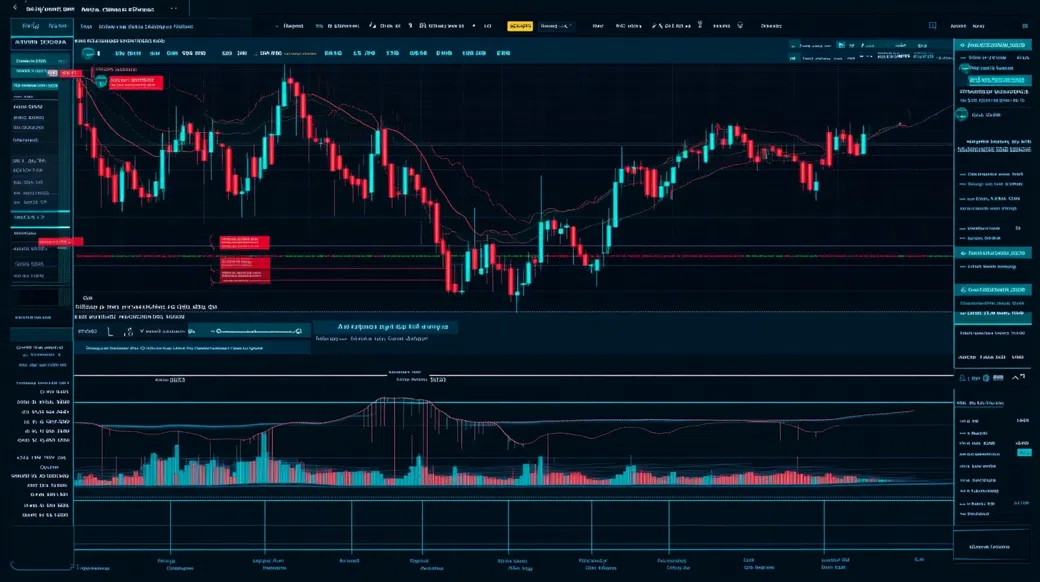
On desktop, the WebTrader stayed stable across multiple logins and sessions, and I liked that the layout didn’t bury risk controls—margin level, used/free margin, and exposure are always visible. Order coverage is what most CFD traders need: market, limit, stop, and basic stop-loss/take-profit. If you live inside MT4/MT5 communities for indicators and EAs, note that this stack is proprietary; you gain a simpler interface but lose the plug-in ecosystem unless the broker later adds those terminals.
The Cèdre Placivect app handled the essentials without fuss: real-time quotes, one-tap position close, and push notifications for price alerts. The Cèdre Placivect login flow supported biometric unlock on my device, which is a small but meaningful quality-of-life feature if you’re checking positions during the commute. Deposits and withdrawals were accessible from mobile, though I did notice chart tools feel tighter on smaller screens—fine for execution, less ideal for long annotation sessions.
Charts include the usual indicator set (moving averages, RSI, MACD, Bollinger Bands) and enough drawing tools for levels and trendlines. Research is practical: an economic calendar, a rolling news feed, and watchlists you can customize by session (London open vs. NY overlap). The ceiling is still lower than a dedicated MT5/cTrader workflow for power users, but for discretionary trading it’s serviceable.
First impression matters, and the onboarding screens here kept it businesslike: email/phone, residency selection, then a short suitability/risk step before you reach the client area. For KYC, I uploaded a passport photo page plus a bank statement under three months; verification cleared later the same day, and the withdrawal page stayed locked until documents were approved, which is a sensible AML gate.
I funded via USDT to keep banking friction low, and the balance updated after network confirmations; the trade ticket then showed margin impact clearly before execution. Base currency choices are worth thinking about if you earn in AED or SAR but trade USD-based instruments—conversion costs can be as real as spreads.
I tested support with a practical question: how swap is calculated on XAU/USD and when triple-swap applies. Live chat replied in roughly three minutes with a plain-language explanation and pointed me to the contract-spec page; the agent didn’t try to steer me into a larger deposit. I also opened an email ticket about Cèdre Placivect withdrawal timing for card vs. crypto rails, and I had a complete answer in about nine hours on a business day.
Coverage is the usual 24/5 rhythm—stronger during market hours, quieter on weekends. Language support is workable for English and commonly served MENA markets, while phone availability appears region-dependent and not the main channel. Relative to similar offshore brokers, the help desk felt more procedural than salesy, which I prefer.
If you’re considering this platform, start by validating your country eligibility and checking live spreads during your own trading hours. A demo run is worthwhile before committing capital, especially if you rely on mobile execution and alerts for fast markets.
Visit Cèdre PlacivectIt can be, provided you keep position sizing small and use the demo first. The interface is not overly complex, but leverage up to 1:500 can punish basic mistakes. Beginners should focus on risk controls (stop-loss, margin level) before chasing more markets.
Yes, crypto CFDs are available, including BTC/USD and ETH/USD. You’re trading price exposure rather than owning coins on-chain, so there’s no wallet withdrawal of the underlying asset. Expect weekend pricing and financing to affect holding costs.
No—based on my 2026 hands-on checks, it functioned like a real broker (KYC enforced, trades executed, and a small withdrawal completed). The bigger point is oversight: it’s offshore-registered, so consumer protections may be thinner than in top-tier regulatory regimes. Treat it as a higher-risk venue and manage exposure accordingly.
No, the USA is restricted. During signup and verification, residency checks are applied, and US-based clients are typically blocked from opening accounts. If you move countries, re-check eligibility before funding.
Most withdrawals are queued for internal processing within 24–48 hours after KYC is approved. After that, timing depends on the rail: cards typically land in 2–5 business days, bank wires in 3–7 business days, and crypto transfers often arrive the same day. In my test, a USDT withdrawal hit my wallet a few hours after approval.
The minimum deposit is $200. That amount is enough to test execution and platform flow, but it’s not a cushion for high leverage. If you trade indices or gold, keep margin usage conservative to avoid forced liquidation.
Yes, it offers iOS and Android apps alongside the WebTrader. You can monitor positions, place orders, and manage deposits/withdrawals from mobile. Notifications and biometric access make it practical for active traders.
Overall Score: 4.0/5
From a trader’s seat, the value proposition is clear: a clean proprietary platform, a usable multi-asset CFD menu, and pricing that becomes more attractive once you step into the Raw/ECN tier. My funding-to-trading-to-withdrawal loop worked without drama, which is the first bar any offshore venue must clear. The caution flag is structural, not cosmetic—offshore oversight and high leverage (up to 1:500) demand disciplined risk management. If you decide to proceed, treat Cèdre Placivect as a tactical account, not your only financial pillar, and remember: leveraged CFDs put capital at risk.
Best for: MENA/Africa-based CFD traders who want FX, indices, and metals with flexible account tiers. Avoid if: you require Tier-1 regulation, deep research tools, or you’re prone to overleveraging.