Bałt Zyskura Trading Platform Alternatives 2026
Bałt Zyskura trading platform alternatives 2026: compare regulated brokers, costs, platforms, and safety checks to choose a reliable US/EU-friendly option.

Bałt Zyskura trading platform alternatives 2026: compare regulated brokers, costs, platforms, and safety checks to choose a reliable US/EU-friendly option.
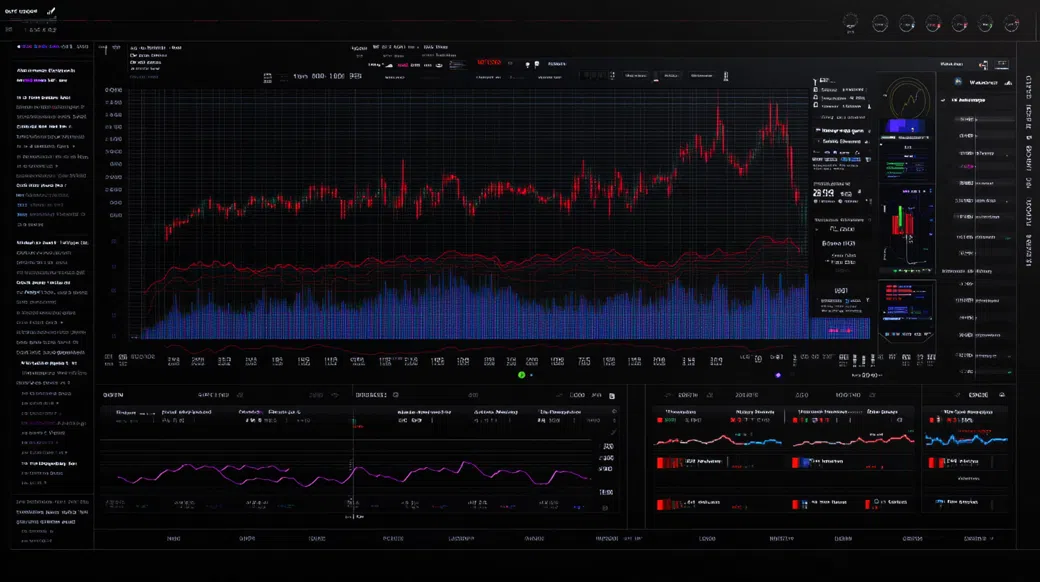
Leverage can feel like a shortcut—right up until the market reminds you it charges interest. I’ve seen that lesson play out from Dubai to Nairobi: traders start with a slick WebTrader, a tight story, and a promise of “more margin,” then discover the hard parts are withdrawals, protections, and execution quality when volatility spikes. That’s where Bałt Zyskura enters the conversation for many: typically positioned as a forex/CFD venue with a proprietary browser platform and mobile app, often paired with high leverage (commonly up to 1:500 in this offshore segment) and a minimum deposit that tends to land around $250.
For a global audience—especially US/EU readers—your decision shouldn’t hinge on leverage headlines. It should hinge on how your broker handles client money, how disputes are resolved, and whether you’re trading real assets or just contracts. This guide to Bałt Zyskura alternatives takes a risk-first view: which regulated firms offer clearer protections (segregated client funds, formal complaint paths, compensation schemes where applicable), broader market access (real stocks and ETFs versus stock CFDs), and the platform stack you need (MT4/MT5/cTrader versus basic WebTrader tools). I’ll also map the practical “move” from an offshore setup to a regulated one, because the operational details—KYC, AML, payment rails—are where traders get stuck.
Disclaimer: This article is for informational purposes only and does not constitute investment advice. CFDs and other leveraged products carry a high risk of loss and may not be suitable for all investors.
Across offshore CFD venues, the pattern is familiar: a forex-and-indices-first offering, a proprietary trading interface, and an onboarding flow that suits shorter-term speculators more than long-horizon investors. Bałt Zyskura appears to sit in that camp, commonly presented as a CFD-focused broker (forex, indices, commodities, and often crypto CFDs) rather than a true multi-asset custodian. In practical terms, that usually means you’re trading contracts with margin rather than owning underlying shares or holding exchange-traded futures in your name—an important difference for anyone building a diversified portfolio rather than just taking directional bets.
The typical Bałt Zyskura-style setup is a proprietary WebTrader with a matching iOS/Android app—good enough for basic chart work and order placement, but not always built for heavy automation. Expect standard chart types, a workable set of indicators and drawing tools, plus a simple watchlist and trade-ticket workflow. Where these platforms can feel “mid-tier” is in depth: fewer advanced order types, limited customization, and a less transparent view of execution (fills, re-quotes, or slippage reporting) compared with MT5/cTrader environments. Mobile tends to mirror the web experience reasonably well, but power users often miss advanced workspace layouts and granular risk tools.
Cost-wise, brokers similar to Bałt Zyskura commonly run a spread-led model on a Standard account, with EUR/USD often around 2.0 pips in normal conditions. Some providers in this category also advertise a “Raw/ECN-style” tier where spreads can compress toward 0.0–0.4 pips, then add a commission (frequently around $6 round-turn per lot). Beyond the spread, pay attention to swap/overnight financing (particularly on indices and commodities), plus any withdrawal or inactivity charges that can quietly change the economics for swing traders. The leverage headline (often up to 1:500) can amplify both profits and losses, so the fee line matters more than many first-time CFD traders expect.
Regret rarely arrives in a single trade; it builds through small frictions—an execution quirk in fast markets, a withdrawal that takes longer than expected, or a growing realization that your broker’s “markets” are mostly CFDs. Those are the moments traders start scanning Bałt Zyskura alternatives, not for novelty, but for sturdier infrastructure: clearer oversight, stronger client-fund handling, and a platform stack that fits the strategy. If your plan includes systematic trading, diversified holdings, or long-term compounding, the broker choice becomes part of risk management, not just convenience.
Think of the switch as a fit-to-mandate exercise: what do you trade, how often, and what “bad day” you must be able to survive. For alternatives to the Bałt Zyskura trading platform, I score candidates on three axes—protection (regulation and fund handling), precision (execution and tooling), and product depth (markets beyond CFDs). That approach keeps the decision grounded when marketing language gets loud.
Start with the regulator’s public register, not a logo on a website: FCA (UK), ASIC (Australia), CySEC (Cyprus), and NFA/CFTC (US) are the names US/EU traders typically recognize. Under FCA oversight, eligible clients may fall under FSCS protection (up to £85,000), and CySEC-linked firms can fall under the ICF (up to €20,000), subject to rules and eligibility. Also look for segregated client funds, clear negative balance protection where applicable, and a documented complaints process—these details separate regulated options vs Bałt Zyskura-style offshore setups.
A broker can be excellent at FX CFDs and still be a poor home for a diversified portfolio. Map your needs: FX/indices for active trading, commodities for macro hedges, and real stocks/ETFs for long-term exposure. If you want options or exchange-traded futures, you’ll usually need a multi-asset firm (and more robust onboarding). This is where platforms like Bałt Zyskura tend to feel narrow: plenty of CFDs, limited true ownership, and fewer building blocks for “the only free lunch”—diversification.
Ignore “from zero” advertising and compute round-turn cost: spread + commission + expected slippage. For a scalper doing, say, 50 standard lots per month, a 1.0 pip difference on EUR/USD is not trivia—it’s roughly $500 in friction before you even talk about swaps. Add in overnight financing (swap), inactivity policies, and withdrawal fees. The clean comparison is always “what does it cost me to open and close, under my typical holding period?”—that’s how top substitutes for Bałt Zyskura reveal themselves.
Platform choice is a strategy choice. MT4/MT5 and cTrader support deeper automation, broader third-party tooling, and more mature order management than many proprietary WebTraders. Execution model matters too: market maker setups can be fine for many retail traders, but STP/ECN/DMA routing often provides clearer mechanics around fills, partial executions, and pricing. If you’ve been using Bałt Zyskura and felt surprise around fills during volatility, put slippage reporting and order handling at the top of your shortlist.
Good support is not “friendly chat”; it’s fast resolution when money is involved. Check support hours in your time zone, language coverage, and whether the broker publishes clear fee tables and margin policies. Education matters most for newer traders—structured courses, risk tools, and transparent product disclosures reduce costly mistakes. Finally, test mobile parity: if you manage risk on the phone, you need consistent order controls, alerts, and account reporting across devices.
On FX/CFDs, the offshore model typically competes with leverage and a simple interface, not with institutional-grade pricing. With Bałt Zyskura-style accounts, EUR/USD around 2.0 pips on a Standard tier is common, and leverage can run high (often up to 1:500). Regulated FX/CFD specialists can offer a different tradeoff: Pepperstone and IC Markets, for example, are often chosen for tighter pricing structures on Raw-style accounts (spreads frequently near 0.0–0.3 pips plus commission, depending on market conditions) and platform choice (MT4/MT5/cTrader). Execution won’t be perfect anywhere—slippage exists in real markets—but regulated brokers tend to provide clearer disclosures and more consistent dispute pathways if something goes wrong. If your edge is small and repeatable, that clarity can matter as much as a fraction of a pip.
Here’s the practical gap: many CFD-first brokers offer equities as CFDs (price exposure only), which means no shareholder rights and no long-term investing toolkit like portfolio reporting across real exchanges. Traders who want genuine stocks and ETFs—especially US/EU-listed names—often migrate toward Interactive Brokers (IBKR) or Saxo Bank. Both are built around multi-asset access, including listed equities and ETFs, and they’re designed for diversification across regions and instruments rather than a narrow CFD menu. For US/EU readers, this is often the single biggest reason to explore competitors to Bałt Zyskura: moving from short-term contracts into a structure that supports long-horizon allocation, proper corporate actions, and broader product choice (options/futures depending on jurisdiction and approvals).
Crypto is where terminology traps people. If a broker offers crypto CFDs, you’re trading a derivative—no on-chain wallet, no ability to withdraw coins, and no participation in network mechanics. That can still be useful for hedging or short-term views, but it’s not “owning crypto.” Offshore venues often list 10–30 crypto CFD pairs, which is enough for major coins but can come with wide spreads during risk-off moves. Regulated CFD firms such as IG or Plus500 commonly offer crypto CFDs in permitted regions, with clearer risk disclosures and leverage limits aligned to local rules. If crypto is a side sleeve in a diversified book, prioritize transparency on financing, weekend pricing, and whether your platform supports robust risk controls—key features in the best Bałt Zyskura alternatives 2026 list.
Regulation: FCA, DFSA, MAS (group-level oversight varies by entity and region).
Markets: Stocks, ETFs, bonds, FX, CFDs, options, futures (availability depends on jurisdiction and permissions).
Fees: FX spreads typically from ~0.6–1.2 pips depending on tier; non-FX pricing varies by venue and product.
Platform: SaxoTraderGO, SaxoTraderPRO.
Best For: Multi-asset diversification across regions and products.
Regulation: SEC/FINRA, FCA, IIROC (entity depends on client location).
Markets: Stocks, ETFs, options, futures, bonds, FX (broad global market access).
Fees: FX is typically commission-based with tight spreads on major pairs; exchange-traded products priced per schedule.
Platform: Trader Workstation (TWS), IBKR Desktop, web and mobile platforms, API access.
Best For: Professional-grade execution and global market access.
Regulation: FCA, ASIC, CySEC, DFSA.
Markets: FX, indices, commodities, CFDs (product set varies by entity; equities typically via CFDs).
Fees: Standard spreads often around ~1.0–1.2 pips on EUR/USD; Raw-style pricing commonly ~0.0–0.3 pips plus commission (conditions vary).
Platform: MT4, MT5, cTrader (platform availability depends on region).
Best For: Algorithmic traders using MT4/MT5/cTrader.
Regulation: CFTC/NFA, FCA, ASIC, IIROC (coverage depends on jurisdiction).
Markets: FX (core), CFDs in certain regions (availability varies); crypto offerings depend on entity and local rules.
Fees: Typically spread-based pricing on major FX pairs; costs vary with market conditions and region.
Platform: OANDA Trade (web/mobile), MT4 (in supported regions).
Best For: FX-focused traders prioritizing strong regulatory footprint.
Regulation: FCA, ASIC, MAS.
Markets: CFDs on FX, indices, commodities, shares; crypto CFDs where permitted; spread betting in the UK (where eligible).
Fees: Spreads vary by market; major FX pairs often competitive for active traders, with costs depending on instrument and venue.
Platform: IG Web Platform, mobile app; MT4 available in some regions.
Best For: Macro and index traders needing broad CFD coverage.
Regulation: FCA, CySEC, ASIC, MAS.
Markets: CFDs on FX, indices, commodities, shares, ETFs; crypto CFDs where permitted.
Fees: Primarily spread-based; costs vary by instrument and volatility, with overnight funding on leveraged positions.
Platform: Plus500 proprietary WebTrader and mobile app.
Best For: Beginners who want a simple, regulated CFD app.
| Platform | Regulation | Main Markets | Typical Costs | Best For |
|---|---|---|---|---|
| Saxo Bank | FCA, DFSA, MAS | Stocks/ETFs, FX, options, futures, CFDs | FX ~0.6–1.2 pips (tier-dependent); other fees per product | Multi-asset diversification across regions and products |
| Interactive Brokers (IBKR) | SEC/FINRA, FCA, IIROC | Stocks/ETFs, options, futures, bonds, FX | Commission-led; tight FX pricing structure; exchange fees apply | Professional-grade execution and global market access |
| Pepperstone | FCA, ASIC, CySEC, DFSA | FX and CFDs (indices/commodities; equities mostly CFDs) | Std ~1.0–1.2 pips; Raw ~0.0–0.3 pips + commission | Algorithmic traders using MT4/MT5/cTrader |
| OANDA | CFTC/NFA, FCA, ASIC, IIROC | FX (core); CFDs in some regions | Spread-based FX pricing; varies by region and conditions | FX-focused traders prioritizing strong regulatory footprint |
| IG | FCA, ASIC, MAS | CFDs across FX/indices/commodities/shares; crypto CFDs where allowed | Instrument-dependent spreads; overnight funding on leveraged trades | Macro and index traders needing broad CFD coverage |
| Plus500 | FCA, CySEC, ASIC, MAS | CFDs across FX/indices/commodities/shares/ETFs | Spread-based; overnight fees on leveraged positions | Beginners who want a simple, regulated CFD app |
Switching brokers is less like changing a chart template and more like moving a vault key: do it methodically, and assume delays around compliance. The safest path is to stand up the new account first, confirm funding/withdrawal rails, then unwind exposure. Remember: leveraged CFDs can move faster than your transfer timeline, so reduce risk before you start pushing money between institutions. If you’re migrating away from Bałt Zyskura, treat the process as operational risk management, not admin.
If you’re still evaluating, take five minutes to compare the onboarding steps, platform tools, and regional eligibility against the regulated brokers above. Check the fee schedule and withdrawal rules in writing, then decide with your risk budget—rather than with leverage—doing the talking.
Visit Bałt ZyskuraThe best option depends on whether you want real multi-asset investing or mainly FX/CFDs. For broad diversification (stocks/ETFs plus derivatives), Interactive Brokers (IBKR) or Saxo Bank are strong picks; for FX execution and MT4/MT5/cTrader workflows, Pepperstone and OANDA are common choices in regulated categories. If your priority is a simple regulated CFD app, Plus500 is often easier to operate than complex pro platforms.
Bałt Zyskura is typically associated with an offshore/unregulated framework (often the type of setup seen under jurisdictions like Seychelles FSA), which generally offers fewer formal protections than FCA/ASIC/CySEC/NFA-regulated brokers. That doesn’t automatically mean a platform is fraudulent, but it does change your downside plan: dispute resolution, compensation schemes, and enforcement tools are usually weaker offshore. If safety is your priority, focus on regulated options and verify the broker’s exact legal entity on the regulator’s public register.
With brokers in this category, stocks and crypto are often offered as CFDs rather than as owned assets, and listed futures may be limited compared with multi-asset firms. That structure gives price exposure but not shareholder rights for equities, and not on-chain coin ownership for crypto. If you want real stocks/ETFs or exchange-traded futures, IBKR or Saxo Bank are typically better aligned than Bałt Zyskura alternatives that stay CFD-only.
Before switching, confirm regulation on the official register, then read the broker’s funding/withdrawal and margin policies line by line. Next, test the platform stack (MT4/MT5/cTrader or proprietary) and calculate round-turn costs (spread + commission + expected slippage) for your typical trade size. Finally, complete KYC at the new broker first and only then withdraw from the old account to reduce operational delays.
About the Author: Nadia El-Amin is a former commodities trader based in Dubai, covering brokerage markets across the Middle East and Africa with a practical, risk-first lens. She focuses on how regulation, execution quality, and product access affect real-world outcomes—because diversification is still the closest thing finance offers to a free lunch.