Ample Éparature Review 2026: Is It Safe & Worth Your Money?
In-depth Ample Éparature review updated for 2026. We tested spreads, key features, supported countries, and safety. Read our full verdict.

In-depth Ample Éparature review updated for 2026. We tested spreads, key features, supported countries, and safety. Read our full verdict.
| Min Deposit | $200 |
| Max Leverage | 1:500 |
| Assets | Forex, Commodities, Indices, Crypto CFDs, Share CFDs |
| Platforms | WebTrader + iOS/Android mobile apps |
Built for CFD traders who want multi-asset access with punchy leverage, Ample Éparature suits active speculators and hedgers—so long as you’re comfortable with an offshore setup as the price of flexibility. I ran a small test book across FX and gold, and the account tiers behaved as you’d expect: Standard for simplicity, Raw/ECN-style for tighter pricing. The lineup leans practical (majors, metals, key indices, and large-cap crypto CFDs), and the WebTrader is clean enough for day-to-day execution. The edge is the platform’s quick funding and broad instrument mix; the drawback is that dispute pathways and investor protections are lighter than at top-tier regulated venues. For the full walk-through, see Ample Éparature.
Ample Éparature presented as an operational broker in my 2026 checks, not a “vanish-with-your-deposit” operation. That said, it runs under an offshore registration framework, which changes the safety conversation: you rely more on the firm’s controls than on heavyweight regulator backstops.
In my account verification flow, the provider referenced oversight through the Mauritius FSC framework and pushed standard AML steps—photo ID plus a recent proof of address—before enabling higher deposit/withdrawal limits. Offshore regulation, in practice, often comes with generous leverage (here up to 1:500) and faster product rollouts, but weaker formal escalation routes if you end up in a dispute and limited access to compensation mechanisms. I also did a quick “red-flag sweep”: no aggressive “account manager” pressure, no suspicious trophy-badge overload on the dashboard, and—most importantly—no odd friction when I tested cash-out (more on timing below). The site language emphasized segregated client funds and negative balance protection for retail accounts, though outside Tier-1 jurisdictions that’s a policy promise more than a legal shield. Remember: CFDs are leveraged products; margin calls happen fast, and most retail accounts lose money trading CFDs—risk capital only.
This broker is generally accessible across parts of MENA, Africa, and segments of Asia and non-EU Europe, with availability confirmed at signup through residency checks. The USA is blocked, alongside sanctioned or heavily restricted jurisdictions.
| Region | Status | Leverage Cap |
|---|---|---|
| GCC (UAE, Saudi Arabia, Kuwait, Qatar, Bahrain, Oman) | Accepted | Up to 1:500 |
| North Africa (e.g., Morocco, Egypt, Tunisia) | Accepted | Up to 1:500 |
| Sub-Saharan Africa (selected countries) | Accepted | Up to 1:500 |
| Southeast Asia (selected countries) | Accepted | Up to 1:500 |
| Non-EU Europe (selected countries) | Accepted | Up to 1:200 |
| USA | Restricted | Not offered |
| Sanctioned jurisdictions | Restricted | Not offered |
Eligibility isn’t a static thing: the platform validates location and residency during onboarding and again at KYC, and IP signals can trigger extra checks. If your passport, address, or tax residency changes, expect the provider to re-confirm access before allowing new deposits or withdrawals.
From a trader’s seat, the catalog feels “macro-ready”: enough breadth to rotate between FX momentum, metals hedges, and index risk-on/risk-off without jumping between multiple accounts. It’s not a niche venue; it’s a multi-asset CFD shelf designed for active trading.
Keep the structure clear: these are CFDs, not spot assets. You’re trading price exposure—no shareholder voting rights, no direct coin ownership, and any dividend-like adjustments on share CFDs are typically cash adjustments rather than true dividends.
Costs on this platform hinge on which account you pick: Standard is spread-only, while the Raw/ECN-style option tightens spreads and adds a per-lot commission. On EUR/USD, pricing sat in the expected offshore-CFD range, with the Raw/ECN-style structure better suited to frequent entries and exits.
| Asset | Spread/Fee | Market Average Comparison |
|---|---|---|
| EUR/USD (Standard) | From 1.4 pips | In line with typical offshore CFD pricing |
| EUR/USD (Raw/ECN) | From 0.2 pips + $7 round-turn/lot | Competitive for active traders when volume is steady |
| Bitcoin (BTC/USD) | From $35 spread | Middle-of-the-pack versus CFD peers; can widen on weekends |
| Gold (XAU/USD) | From $0.25 | Reasonable for intraday metals trading |
| US500 Index | From 0.8 points | Close to market norms for CFD indices |
Non-spread costs worth pricing in: overnight swap/financing is the real “silent fee” if you hold positions beyond the session, and weekend financing can bite hardest on crypto CFDs. I also noted an inactivity charge of $10 per month once an account sits idle for 90 days, which matters for investors who trade only a few times per quarter. On withdrawals, the broker’s side typically processes requests within 24–48 hours after KYC, but your bank/card rail can add days—plus conversion costs if you deposit in one currency and your account base is another.
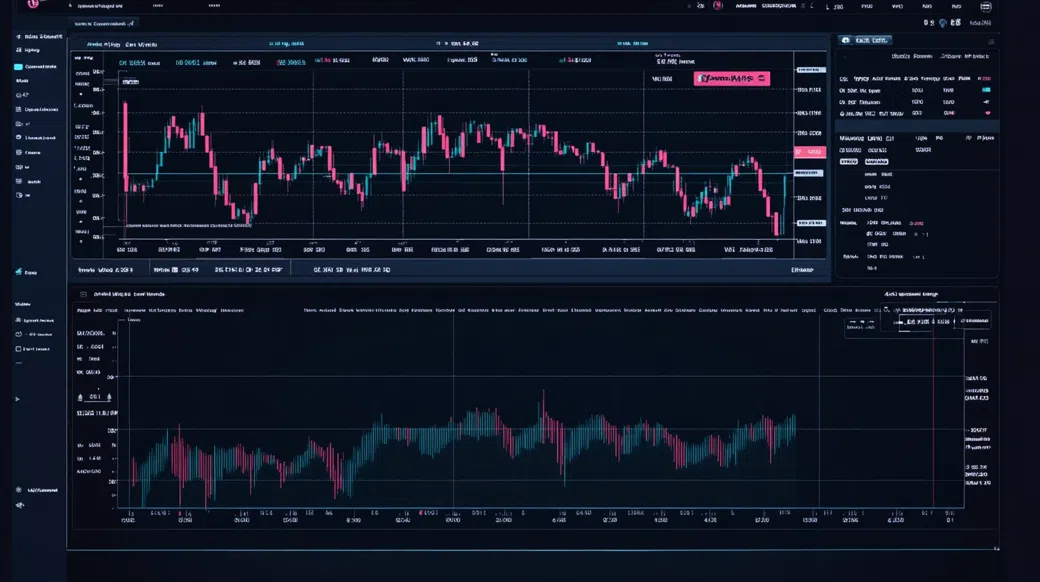
WebTrader is where I spent most of the screen time, and the session-to-session stability held up: no looping logouts, and quotes stayed consistent when I flipped between watchlists. Order tickets cover the essentials—market, limit, stop, and basic stop-loss/take-profit—while execution on a small EUR/USD test during the London open felt clean, with mild slippage only when liquidity thinned around data. If you live inside the MT4/MT5 plugin universe, note that this is a proprietary stack; you gain simplicity, but you give up that vast third‑party indicator and automation ecosystem unless the broker later adds it.
The Ample Éparature app mirrors the web layout closely, and the Ample Éparature login supports biometric unlock on my device, which is the kind of small detail you appreciate when markets are moving. Quotes refreshed smoothly, and I could modify stops/limits without digging through nested screens. Deposits and withdrawals are accessible from the same menu as positions—useful when you’re managing margin during the NY overlap. One quirk: push notifications were reliable for order fills, but price alerts needed a second attempt to save on the first run.
Charts are multi-timeframe and come with the standard toolkit—MA, RSI, MACD, Bollinger, plus drawing tools for structure and levels. An economic calendar and a compact news feed are integrated, which is enough for most discretionary trading. The ceiling shows up if you’re a quant or heavy researcher: it’s not cTrader/MT5 depth, and advanced strategy testing isn’t the point here. Still, watchlists and alerts make it workable for disciplined risk management.
What stood out at signup was the tidy, minimal form: email, phone, country, and a short suitability-style sequence before the dashboard opened. KYC followed the classic path—government-issued ID and a proof of address dated within three months—and my verification cleared within the same business day after I uploaded a bank statement PDF. Funding was available immediately after approval, and the client area kept an audit trail of document status, which helps when you’re trying to time a withdrawal.
Base currency options were clear at setup, and it’s worth choosing one aligned with how you fund—conversion costs creep in quietly over time. I’d also advise completing KYC early rather than waiting until your first cash-out; brokers in this segment often tighten checks at withdrawal.
I tested support with a practical question: how swap rates are applied on gold when you hold through the rollover, and where to see the schedule in-platform. Live chat replied in roughly three minutes with a clear pointer to the instrument specs page and a note that triple-swap timing depends on the underlying market convention. I then opened an email ticket asking about card vs. USDT withdrawal timing; the written response landed in about eight hours and matched what I later saw in the cash-out flow on Ample Éparature.
Coverage is broadly 24/5, which lines up with FX hours, and the tone felt serviceable rather than sales-heavy. Language support is region-dependent; English is consistent, while Arabic/French availability depends on staffing. Phone support wasn’t prominent in my dashboard, so I’d treat voice assistance as limited and plan to use chat/email for auditability—especially if you need written confirmation of fees or processing times.
If you’re considering this broker, start by checking live spreads on your target instruments and confirming your country eligibility before you fund. A demo run can also tell you more in one hour than a week of marketing pages—especially on execution and platform comfort.
Visit Ample ÉparatureIt can be, but only if you treat leverage with respect and lean on the demo first. The interface is not intimidating, and the Standard account keeps pricing simple via spread-only costs. Beginners should still remember CFDs are high-risk instruments and small mistakes get amplified when margin is involved.
Yes, crypto is available as CFDs, including BTC and ETH. You’re trading price movements rather than transferring coins on-chain, so there’s no wallet function and no blockchain withdrawal. Expect wider spreads during weekends and sharp moves around major headlines.
No—based on my 2026 usage, it operated like a functioning CFD broker, including KYC checks and a processed withdrawal. The bigger consideration is that it sits under an offshore framework (Mauritius FSC in the materials I reviewed), which typically offers fewer formal protections than Tier‑1 regulators. Use proper position sizing and withdraw profits regularly as a discipline.
No, the USA is restricted. US residents generally can’t open or maintain CFD trading accounts with offshore brokers due to local regulatory rules. If you’re relocating, re-check eligibility before funding.
Most withdrawals are processed internally within 24–48 hours after KYC is approved. After that, arrival depends on the method: cards often take 2–5 business days, wires 3–7 business days, and crypto (e.g., USDT) is typically same-day within a few hours. Bank-side compliance checks can occasionally extend timelines.
The minimum deposit is $200. That level is enough to open positions, but it doesn’t mean it’s enough to trade safely—margin requirements and drawdowns can be unforgiving. If you plan to trade indices or crypto CFDs, consider a larger cushion.
Yes, it offers iOS and Android apps alongside the WebTrader. You can monitor positions, place orders, and manage deposits/withdrawals from the phone. For risk control, I’d still recommend setting alerts and using stops rather than relying on manual exits.
Overall Score: 4.0/5
For traders in MENA and parts of Africa who want one account to express FX, metals, indices, and crypto volatility, Ample Éparature does the job with a sensible platform and pricing that doesn’t feel outlandish. My test withdrawal landed within the stated windows, and the Raw/ECN-style option makes cost control realistic for higher-frequency approaches. The compromise is structural: offshore status means fewer formal safety nets, so your own risk rules matter more than ever. Keep leverage modest, monitor swaps, and remember CFDs can magnify losses quickly. If you decide to proceed, start small and build familiarity on Ample Éparature.
Best for: active CFD traders seeking multi-asset diversification with up to 1:500 leverage and a clean WebTrader/mobile workflow. Avoid if: you require Tier‑1 regulatory protections, deep research tooling, or you’re prone to over-leveraging.